
InteleGates Guide
Automatic Driveway Gates: A Beginner's Guide
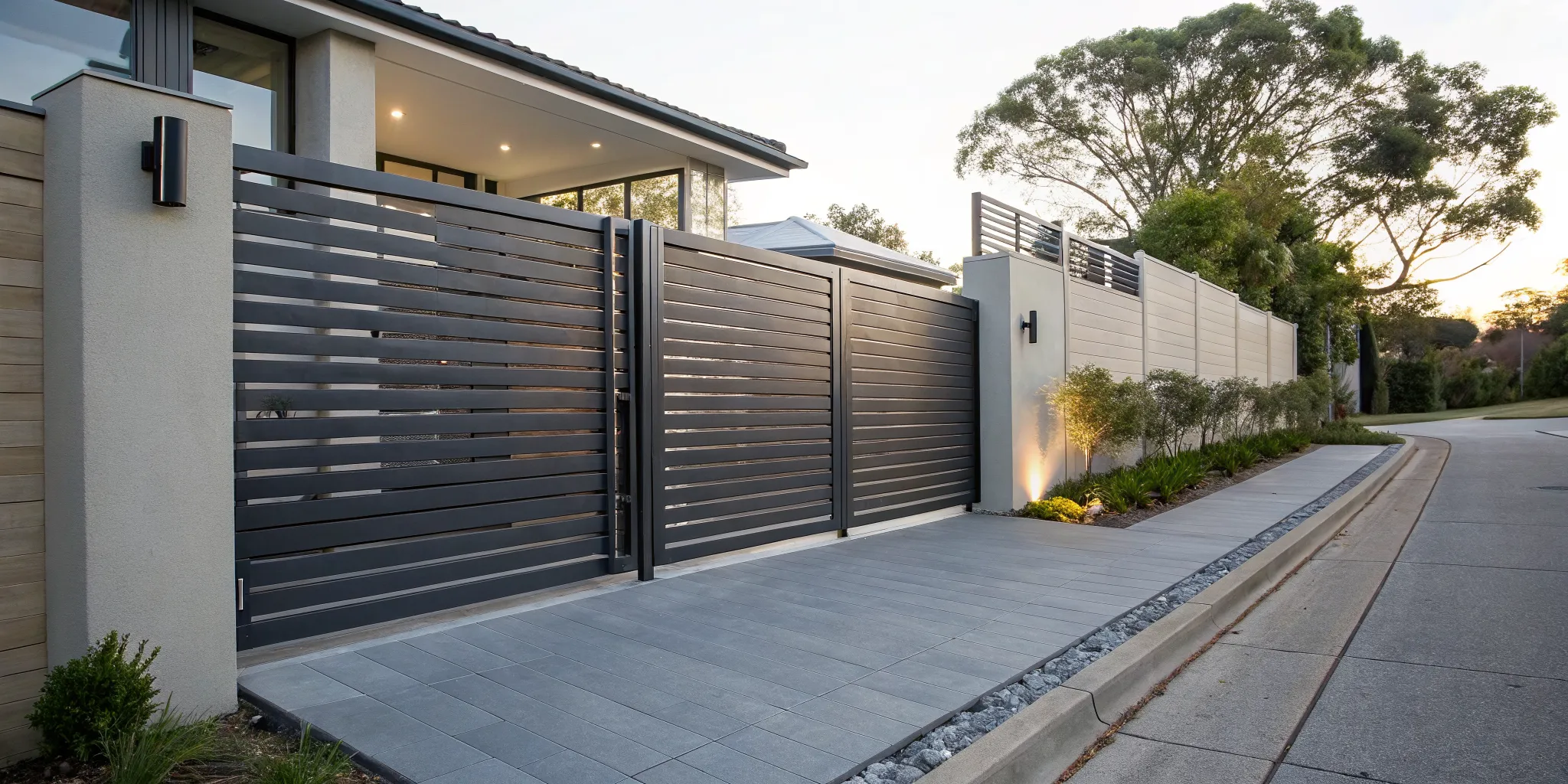
The first time you press a button and watch your gate glide open, it feels a little like magic. But behind that smooth, effortless motion is a carefully engineered system of motors, sensors, and controls working in perfect harmony. Understanding how these components come together is the key to choosing the right gate and keeping it running smoothly for years. We'll pull back the curtain on how automatic driveway gates actually work, from the powerhouse motor to the critical safety features that protect your family and vehicles. This guide will give you the knowledge you need to invest wisely in your property's security and convenience.
Key Takeaways
- Match the gate to your space: Your driveway's layout, including its length and any slopes, is the most important factor in choosing a gate type. Swing gates require flat, open space to operate, while slide gates are a great solution for sloped or compact areas.
- Build a complete system: An automatic gate is more than just the gate panel; it includes a motor, power source, and access controls. Select components like keypads, intercoms, or solar power to create a setup that fits your security goals and daily routine.
- Plan for long-term maintenance: Your gate's longevity depends on regular care. The material you choose determines upkeep needs, and routine checks of safety sensors and moving parts will keep your system running safely and prevent expensive repairs.
What Are the Different Types of Automatic Gates?
Choosing the right automatic gate feels like a big decision, but it really comes down to your property's unique layout. It's less about picking a style you like (though that's important too!) and more about finding a gate that works with the space you have. The four main types you'll encounter are swing gates, slide gates, bi-folding gates, and vertical lift gates. Each one moves differently and has its own set of requirements for space and terrain.
Understanding how each type operates is the first step to figuring out which one will give you that perfect blend of security, convenience, and curb appeal. Whether your driveway is long and flat or short and sloped, there's a gate designed to fit it perfectly. A professional electric gate system installation ensures that whichever type you choose, it will function smoothly and safely for years to come. Let's walk through the options so you can get a clear picture of what might work best for you.
Swing Gates
Think of a classic, elegant entrance to a home, and you're probably picturing a swing gate. These gates operate just like the doors in your house, swinging inward or outward on hinges. You can have a single swing gate, which is one large panel, or a double swing gate, where two panels meet in the middle. They are a very popular choice for residential properties because of their timeless look. The most important thing to remember with swing gates is that they need space. You must have enough flat, clear driveway area for the gate to swing fully open without hitting a parked car. A garden feature, or the upward slope of your driveway.
Slide Gates
If your driveway is on a slope or you don't have the depth for a swing gate, a slide gate is an excellent solution. Instead of swinging open, a slide gate runs along a track, moving horizontally to the side and parallel to your fence line. This makes them incredibly practical for properties with limited space, steep inclines, or extra-wide entrances. Because they slide to the side, they don't need any clearance in front or behind them. This efficient design is a great example of modern gate automation that solves common property challenges, giving you a secure entrance without requiring a complete landscape overhaul.
Bi-Folding Gates
Bi-folding gates are the clever space-savers of the gate world. They work by folding in on themselves as they open, much like a bifold closet door. Each gate panel is made of two or more smaller sections connected by hinges, allowing them to collapse into a compact size. This makes them the perfect choice for very short driveways where there isn't enough room for a swing gate to open or a slide gate to retract. They also open and close much faster than other gate types. Which is a great feature if you live on a busy street and need quick entry and exit.
Vertical Lift Gates
When you have absolutely no room on the sides or in front of your entrance, a vertical lift gate is the answer. These gates move straight up and down, lifting vertically to allow access. Because they don't swing or slide, they are ideal for tight spots, such as urban properties or commercial sites with limited space. Vertical lift gates are also known for being incredibly strong and secure. Making them a fantastic option for locations that require a high level of security or have frequent traffic. They are often paired with a robust access control system to provide a complete security solution for your property.
What Are Automatic Gates Made Of?
The material you choose for your automatic gate does more than just define its look. It plays a huge role in its durability, maintenance needs, and overall security. Think of it as the foundation of your entire gate system. Each material has its own personality and practical benefits. And the right one for you will depend on your home's style, available space, and how much upkeep you're willing to do. From the classic strength of steel to the warm charm of wood, the options are plentiful, and each brings something different to the table.
Choosing the perfect material is a key step in the electric gate system installation process. In a place like Los Angeles, where we get everything from intense sun to salty coastal air. Picking a material that can handle the local climate is especially important. You want a gate that not only looks great on day one but continues to function beautifully for years to come without demanding constant attention. Let's walk through the most common materials so you can get a feel for what might work best for your property and lifestyle. We'll cover the pros and cons of each to help you make a confident choice.
Steel
If strength and security are at the top of your list, steel is a fantastic choice. It's one of the most durable materials available, making it an excellent deterrent and a solid long-term investment for your property's protection. Steel gates are often favored for modern and industrial designs, offering clean lines and a formidable presence. Because it's so strong, it can stand up to harsh weather and provides a high level of security. While it is heavier than other materials, a properly matched gate automation system will handle the weight with ease, ensuring smooth and reliable operation every time you come and go.
Aluminum
Think of aluminum as the practical, low-maintenance sibling in the gate family. It's incredibly lightweight and, most importantly, it doesn't rust. This makes it an ideal option for homes in coastal areas or anywhere humidity is a concern. You won't have to worry about corrosion or the constant upkeep that can come with other metals. Its light weight also means it puts less strain on the gate opener, potentially extending the life of your motor. Aluminum gates can be designed to mimic the look of wrought iron, giving you a classic aesthetic without the hefty weight or maintenance demands.
Wood
There's something undeniably warm and charming about a wooden gate. It offers a natural, traditional aesthetic that can complement a wide range of home styles, from rustic to contemporary. Wood provides excellent privacy and can be customized with different stains, paints, and finishes to create a truly unique look for your home. However, this beauty does require a bit of care. To keep a wooden gate looking its best and protect it from sun and moisture, you'll need to plan on regular electric gate system maintenance, like sealing or staining it every few years.
Wrought Iron
For a touch of timeless elegance and serious strength, wrought iron is the go-to. These gates are known for their classic, ornate designs that can add a sense of luxury and sophistication to any property. Wrought iron is incredibly strong and durable, making it a top choice for security. You can work with a designer to create intricate, custom patterns, turning your driveway entrance into a true work of art. While it is one of the heavier and more premium options. A wrought iron gate is a statement piece that offers both incredible curb appeal and peace of mind.
Vinyl
If you're looking for an affordable and low-maintenance option that still looks great, vinyl is definitely worth considering. Vinyl gates are a practical choice because they don't require painting or staining and are resistant to rot and pests. They are also easy to clean; a simple wash is usually all it takes to keep them looking fresh. Available in a variety of styles and colors, from privacy panels to picket-fence designs, vinyl can suit many different home aesthetics. It's a straightforward, durable material that gets the job done without asking for much in return.
How Does an Automatic Gate Actually Work?
Automatic gates might seem complex, but their operation is a straightforward and elegant process. At its core, an automatic gate system is designed to open and close on command, giving you both convenience and security. Think of it as a team of components working in perfect sync. An access device, like a remote or keypad, gives the order. A control panel processes that order and tells the motor what to do. The motor provides the power to move the gate, while a suite of safety features ensures everything happens smoothly and without incident.
When you press a button or enter a code, you're sending a signal to the gate's control panel, which acts as the brain of the operation. The control panel then instructs the motor, the muscle of the system, to open or close the gate. It's a simple, reliable process that combines mechanical force with smart technology. Understanding how these parts work together can help you appreciate the engineering behind your gate and make informed decisions about its installation and care.
Gate Openers and Motors
The gate opener and motor are the powerhouse of your automatic gate system. When the control panel receives a signal from your remote or keypad, it activates the motor. This motor is connected to an arm or a chain that physically moves the gate open or closed. For swing gates, the motor powers an articulating arm that pushes or pulls the gate panels. For slide gates, the motor turns a gear that engages with a chain running along the bottom of the gate, pulling it along a track. The process of integrating these components is known as gate automation, and it's what transforms a manual gate into a seamless, automated entry point for your property.
Your Power Options: Electric, Battery, and Solar
An automatic gate needs a reliable power source to function. The most common option is connecting the gate directly to your property's main electrical supply. This provides consistent power but can be a problem during an outage. That's why many systems include a battery backup, which kicks in automatically if the power goes out, so you're never stuck inside or outside your property. For properties where running electrical wiring is difficult or for those looking for a greener solution, solar power is an excellent choice. Solar panels charge a battery during the day, providing enough energy to operate the gate around the clock. A professional can help you decide which power setup is best for your needs and location.
Safety Sensors and Emergency Release Systems
Safety is the most important aspect of any automatic gate. Modern systems are equipped with multiple features to prevent accidents. The most critical are photoelectric sensors, or "photo eyes," which project an infrared beam across the gate opening. If a person, pet, or vehicle breaks this beam while the gate is closing, the motor will immediately stop and reverse. Another key feature is an underground vehicle detection loop, which senses the presence of a car and prevents the gate from closing on it. In case of a power failure or malfunction, every gate also has a manual release mechanism, allowing you to open it by hand.
Access Control: Keypads, Remotes, and RFID Systems
How you tell your gate to open is determined by your access control system. The options range from simple to highly advanced, and you can even combine several methods. Remote controls are a classic choice, allowing you to open the gate from the comfort of your car. Keypads are great for granting access to family or service providers without giving them a physical remote. For even more convenience, RFID (Radio-Frequency Identification) systems use a small tag on your vehicle to automatically open the gate as you approach, offering a truly hands-free experience. The right system depends on your lifestyle and security preferences.
Intercom and Telephone Entry Systems
For properties that need to screen visitors, an intercom or telephone entry system is a must. An intercom system service allows you to communicate directly with someone at your gate through audio, and often video, before you decide to let them in. You can see and speak to visitors from a unit inside your home or even on your smartphone. Telephone entry systems take this a step further by calling your landline or mobile number when a visitor presses the call button. You can then speak to them and grant access by pressing a key on your phone, no matter where you are. This adds a powerful layer of security and control over who enters your property.
What to Know Before Installing Your Gate
An automatic gate is a fantastic addition to your property, but the installation process involves more than just picking a style you like. Taking the time to plan ahead will ensure your gate not only looks great but also functions perfectly for years to come. Before you move forward, it's important to think about your property's specific layout, your security goals, and any local rules you'll need to follow.
Considering these factors from the start helps prevent unexpected surprises and ensures you choose the right system for your needs. A well-planned electric gate system installation is a smooth one, so let's walk through the key details you should have in mind. By thinking through your space, security requirements, and environment, you can confidently select a gate that adds value and peace of mind to your home or business.
Your Driveway's Space and Layout
The physical dimensions of your driveway are the single biggest factor in determining what type of gate will work for you. A swing gate, for example, needs enough clear space to swing open without hitting a parked car, landscaping, or the side of your garage. A slide gate, on the other hand, requires a long, clear run along your fence line to slide into when it opens. Before you get too attached to a specific design, take a good look at your property. A professional can help you measure the area and identify the most practical options for your yard's fit.
Slope and Terrain Challenges
Is your driveway on a hill? The slope and evenness of your terrain can quickly narrow down your gate choices. Swing gates often struggle on steep inclines because the bottom of the gate can scrape against the rising ground as it opens. This can damage both the gate and the opener. For this reason, slide gates are usually the best choice for sloped or uneven driveways, as they travel horizontally along the grade. Proper gate automation on a sloped property requires careful planning, so it's a good idea to get an expert opinion on how to best handle your unique landscape.
Your Unique Security Needs
Before you install a gate, ask yourself what you want it to accomplish. Are you simply trying to keep stray animals out and create a clear property line? Or are you looking for a robust security solution to control exactly who comes and goes? Your answer will guide your choices. A basic gate and opener might be enough for simple deterrence. However, for more advanced security, you'll want to integrate your gate with a complete access control system. This can include features like keypads, intercoms, and telephone entry to give you full command over your property's entrance.
Local Climate and Weather
The materials you choose for your gate should be able to withstand your local climate. Here in Los Angeles, that means thinking about intense sun exposure and the occasional rainy season. Materials like aluminum are naturally rust-resistant, making them a low-maintenance option. Wood gates are beautiful but may require more frequent sealing or staining to protect them from sun and moisture damage. Even the design matters; a solid panel gate can act like a sail in high winds, putting a lot of strain on the motor and hinges. A design with slats or open scrollwork allows wind to pass through, reducing stress on the system.
Following Local Regulations and HOA Rules
Nothing is more frustrating than installing a beautiful new gate only to be told it violates local rules. Before you begin, always check your local building codes, zoning laws, and any homeowners association (HOA) guidelines. These regulations can dictate everything from the maximum height of your gate to how far it must be set back from the street. Some HOAs even have specific rules about approved materials and colors. A professional installer who is familiar with local requirements can help you make sure your electric gate system installation is fully compliant, saving you from potential fines or the headache of having to make changes later.
What Affects an Automatic Gate Project?
Understanding the full scope of an automatic gate project helps you choose a system that fits your property and daily routine. The gate, operator, installation conditions, access controls, and power source all work together. Reviewing these factors before work begins makes it easier to select compatible equipment and plan for reliable operation.
Choosing the Gate and Operator
The gate and its motor must be matched to the opening, gate weight, movement, and expected use. A slide gate needs a clear side run and a properly aligned track, while a swing gate needs sufficient clearance and an operator suited to the gate panels. Access control options such as keypads, remote controls, intercoms, and telephone entry can then be selected around the way your household or business uses the entrance.
Factoring in Professional Installation
While some automatic gate kits are marketed for DIY installation, hiring a professional is almost always the better choice. An expert ensures your gate is installed safely, functions correctly, and meets all local building codes. A proper electric gate system installation accounts for your property's specific layout, including any slopes or tricky terrain. Professional service helps ensure the operator, controls, safety devices, and gate hardware work together correctly from the beginning. It's a crucial step that prevents avoidable mistakes and future headaches.
Planning for Ongoing Maintenance
Your gate is an outdoor machine that works hard every day, so planning for its upkeep is essential. The material you choose plays a big role here. For example, steel and iron gates are incredibly durable but will need regular checks to prevent rust. Wood gates offer a classic look but require consistent sealing or painting to avoid warping and rot. Scheduling routine electric gate system maintenance will extend the life of your gate, keep it running smoothly, and protect the system from the wear and tear of the elements.
Considering a Power Backup
How will your gate operate during a power outage? This is a critical question to answer. Most gates run on electricity from your home, but a simple power loss could leave you stuck. This is why a power backup is so important. You can choose between a battery backup system that kicks in when the main power goes out or even a solar-powered setup. A solar and battery combination is an excellent, eco-friendly solution, especially if your gate is located far from an electrical outlet. This ensures your gate automation remains reliable no matter what.
How to Maintain Your Automatic Driveway Gate
Your automatic gate is a hardworking piece of equipment, and just like any other machine, it needs a little TLC to stay in top shape. A consistent maintenance routine not only extends the life of your gate but also helps you avoid unexpected repairs down the road. By spending a little time on these simple tasks, you can ensure your gate operates smoothly and securely for years to come. Think of it as a practical step that protects the system you rely on every day.
Perform Regular Inspections and Lubrication
A great first step is to simply watch and listen to your gate. Once a month, watch it open and close a few times. Does it move smoothly, or does it seem to stutter or strain? Listen for any grinding, squeaking, or unusual noises. You should also visually inspect the moving parts like hinges, rollers, and chains for any signs of wear or damage. To keep everything running smoothly, apply a lubricant recommended for gates to these parts every few months. This simple step prevents friction and reduces wear, which is a core part of any good electric gate system maintenance plan.
Clean Your Gate and Prevent Rust
Keeping your gate clean does more than just maintain its appearance; it protects it from damage. Dirt, leaves, and other debris can build up in the track and around moving parts, causing operational issues. For metal gates, this buildup can trap moisture and lead to rust, which can compromise the gate's structural integrity over time. Give your gate a gentle wash with soap and water every few months, and be sure to clear any debris from its path. This is especially important after a storm. Taking care of the finish from day one helps ensure the material you chose during the electric gate system installation lasts as long as possible.
Test Your Sensors and Safety Features
Your gate's safety features are its most important components, so you'll want to test them regularly. Most automatic gates have photo-eye sensors or other obstruction detectors that prevent the gate from closing on a person, pet, or vehicle. To test them, you can carefully wave an object (like a broom handle) in the sensor's path while the gate is closing. The gate should immediately stop and reverse. Performing this quick check once a month provides peace of mind and confirms your access control system is functioning correctly. If the gate doesn't respond as it should, it's a sign that it needs immediate professional attention.
Know When to Call a Professional for Repairs
While these DIY checks are helpful, some issues require an expert. If you notice your gate is moving erratically, making loud or strange noises, or has stopped working altogether, it's time to call for help. Trying to fix complex mechanical or electrical problems on your own can often lead to more significant damage or even create a safety hazard. A professional technician has the right tools and expertise to diagnose the problem accurately and perform a safe fix. Don't hesitate to schedule an electric gate system repair if you suspect something is wrong; it's always better to be safe than sorry.
Frequently Asked Questions
Can my existing manual gate be automated? Yes, in many cases, you can automate a gate you already have. The key is to have a professional assess its condition first. We need to make sure the gate is structurally sound, properly balanced, and moves smoothly on its hinges or rollers. If it's a good candidate, we can fit it with the right motor and access control system to bring it up to modern standards.
My driveway is on a slope. Does that mean I can only get a slide gate? While slide gates are often the best and most straightforward solution for sloped driveways, they aren't always your only choice. Depending on the steepness and specific layout of your entrance, certain types of specialized hinges can allow a swing gate to work on a slight incline. However, this requires careful measurement and planning, so it's best to have an expert evaluate the terrain to find the safest and most effective option for your property.
How do I decide which access control option is right for me? The best way to choose is to think about your daily routine and who needs access to your property. A remote control is perfect for your personal vehicles. A keypad is great for granting access to family, friends, or regular service providers without having to hand out remotes. If you want to screen visitors before they enter, an intercom or telephone entry system is essential. For ultimate convenience, an RFID system that opens the gate automatically as you approach is a fantastic, hands-free choice. Many people find that a combination of these systems works best.
What is the single most important maintenance task I shouldn't skip? If you only do one thing, make it a regular test of your gate's safety features. About once a month, check that the photo-eye sensors are working correctly by carefully waving an object in their path while the gate is closing. The gate should immediately stop and reverse. These sensors are critical for protecting people, pets, and vehicles from harm. If they ever fail to respond, you should stop using the gate and call a professional for a repair right away.
How long does a typical automatic gate installation take? The timeline for an installation really depends on the project's complexity. A straightforward installation on a flat, prepared surface might only take a day or two. However, more involved projects, like those requiring new concrete footings for posts, extensive electrical work, or installation on a tricky slope, can take longer. We can give you a much more precise timeline after we see the property and understand the full scope of the work.