
InteleGates Guide
Automatic Gate Maintenance: What Happens If You Skip It
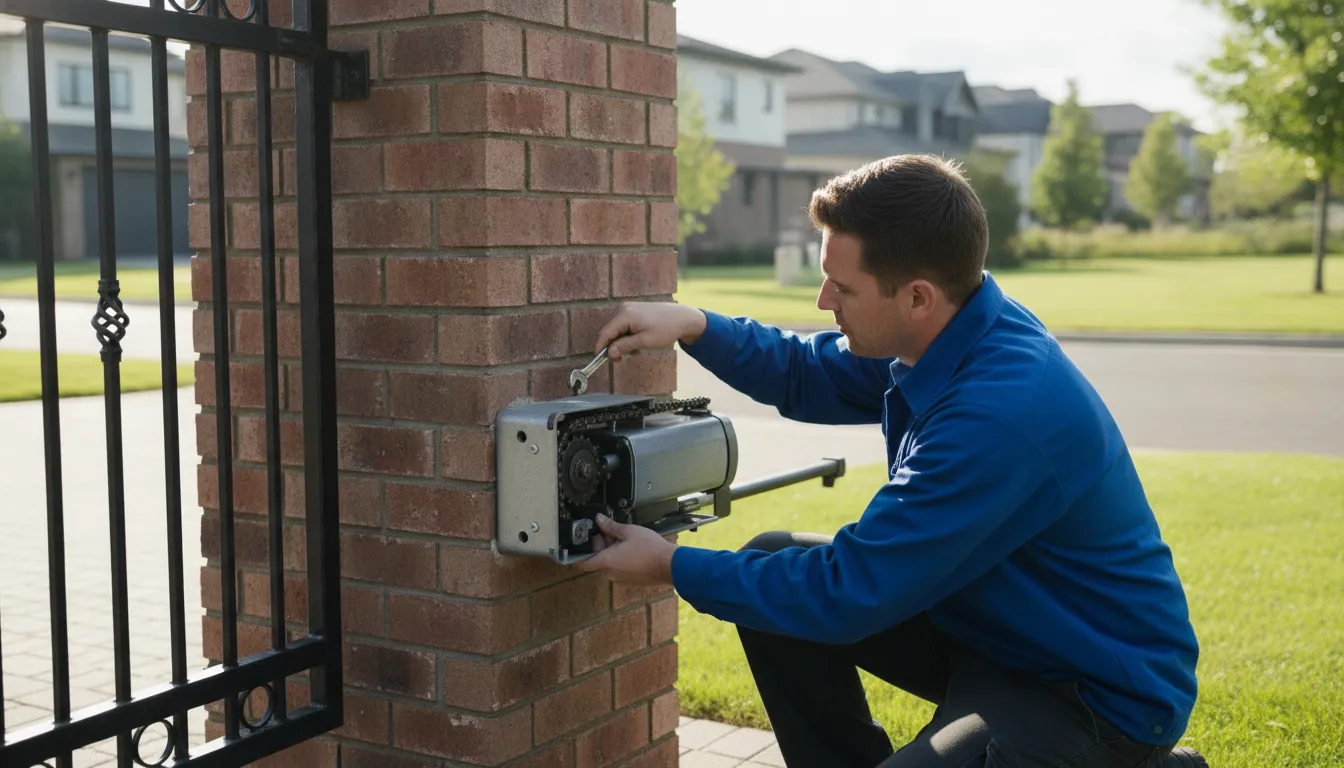
An automatic gate motor rarely fails without warning. Repeated cycles, dust, moisture, and small changes in movement can gradually strain the operator, sensors, and safety features. When those issues are identified early, a qualified technician can address wear before it interrupts access for a home, business, or managed property.
Professional automatic gate maintenance helps protect the motor, verify sensor and safety performance, and extend the working life of the access system. Skipping scheduled service can allow minor wear to progress into motor burnout, sensor malfunctions, unreliable operation, and an urgent repair call.
That prevention starts with the motor itself. Understanding how routine inspection supports its performance makes it easier to see why professional care is part of keeping an automated gate dependable in Los Angeles and Orange County.
Contact InteleGates to schedule professional automatic gate maintenance
Why Automatic Gate Maintenance Matters for Your Motor
The motor operator is the heart of an automatic gate system. It supplies the force, timing, and controlled movement that allow the access system to open and close reliably. Whether your property uses a chain-driven operator or a swing gate operator, the motor works with sensors, controls, and access devices every time someone enters or leaves. Professional care keeps those components working together instead of treating the visible gate as the main concern.
Automatic gate operators are high-cycle systems. A residence may use its motor several times each day, while a commercial property, parking facility, or warehouse may place much greater demand on the equipment. Every cycle creates mechanical stress and heat. The operator's duty cycle helps determine how often it can run without overheating. Which is why maintenance decisions should account for actual usage rather than follow a one-size-fits-all assumption.
Wear develops inside the operator
Routine professional service helps identify wear before it affects performance. A qualified technician can assess whether the motor operator is properly lubricated, aligned, and electronically balanced. These checks support smoother operation and help prevent small mechanical concerns from developing into premature breakdowns. They also give the technician an opportunity to evaluate the system's safety features and control signals as part of the same visit.
This attention matters because the operator is connected to the rest of the access-control system. Sensors and control boards must communicate accurately so the gate responds to authorized commands and safety conditions. An operator that appears to be working may still have developing issues that are difficult for an untrained observer to identify. Professional inspections are designed to catch those early symptoms and preserve reliable operation.
Maintenance supports a longer service life
Regular inspections by qualified technicians can extend the operational lifespan of gate operators and automation systems while supporting safe performance. They also help keep the equipment suited to its duty cycle as usage changes over time. For a clear maintenance approach centered on the motor, sensors, and access controls, review this professional gate maintenance plan.
Consistent service is not simply a cosmetic improvement. It is an investment in dependable access, controlled movement, and the long-term health of the motor that makes the system work.
What Happens When You Skip Automatic Gate Maintenance
Automatic gate systems rarely move from dependable to completely unusable without warning. Small issues can build inside the motor operator, sensors, control board, or access-control equipment until the system can no longer complete a normal cycle. Regular service helps identify that wear before it becomes a disruptive failure. When maintenance is postponed, the result is often unplanned downtime at the exact moment reliable entry and exit matter most.
Minor motor wear can become a burnout
A gate motor works through repeated operating cycles, and internal components experience mechanical stress each time the operator starts, stops, or changes direction. Debris, weather exposure, alignment problems, and worn internal switch mechanisms can create additional strain. The motor may begin working harder, running slowly, or operating inconsistently. If those symptoms remain unaddressed, minor wear can compound into a complete mechanical failure or motor burnout.
A failed motor can leave a driveway, parking entrance, or business access point stuck in one position. That creates frustration for residents, property managers, employees, and visitors. It can also force a property owner to arrange service outside a planned maintenance window, rather than addressing the issue during a controlled visit.
Sensor and access-control faults interrupt normal access
Safety sensors and access-control devices depend on precise communication with the gate operator and its control board. When a sensor malfunctions or that electronic balance is disrupted, the system may stop unexpectedly. Fail to respond to a valid signal, or refuse to complete an opening or closing cycle. A system lockout can prevent people from entering or leaving the property, even when the motor itself has not yet suffered a total failure.
These interruptions are especially difficult for high-traffic entrances. Residents may be delayed, deliveries may be missed, and staff may need to manage access manually while waiting for a technician. The problem is not always visible from the outside, which is why professional testing is important. Qualified technicians can identify early symptoms that a routine visual check may not reveal.
Emergency repairs replace planned service
When several neglected issues appear together, the repair becomes more involved and the disruption lasts longer. A sensor fault may coincide with motor strain, or a control problem may emerge after wear has already affected other components. Scheduled upkeep is designed to catch those conditions before they develop into an urgent call. For a system that is already locked up or preventing access, same-day emergency gate repair may be the appropriate next step.
Professional automatic gate maintenance keeps the focus on dependable motor performance, safety response, and access-control communication. It replaces surprise interruptions with a service plan that helps the system operate as intended.
What a Professional Automatic Gate Maintenance Visit Includes
A professional visit examines the gate motor and its connected access-control system as one working unit. The goal is not simply to see whether the operator moves today. A qualified technician looks for early wear, confirms that safety features respond correctly, and checks that the signals moving between sensors, controls, and the motor remain dependable. This type of inspection helps extend the operating life of the automation system while supporting safe, consistent entry and exit.
The visit typically begins with the motor operator. The technician checks its condition, alignment, lubrication, duty-cycle demands, and electronic balance. They also look for symptoms that may not be obvious during normal use, including developing wear inside the operator or intermittent control problems. This motor-focused assessment is especially important for high-cycle entrances that operate repeatedly throughout the day.
| Maintenance focus | Professional routine service | When components are left unassessed |
|---|---|---|
| Motor operator | Inspects the motor, checks alignment and lubrication, and identifies early symptoms of wear before they interrupt operation. | Wear, debris, weather exposure, or internal switch issues can develop into inconsistent movement, lock-ups, or a full operator failure. |
| Safety reverse | Tests the reverse response and recalibrates electronic safety settings when needed, helping the system respond appropriately to an obstruction. | An unverified response may not perform as intended when the safety function is needed, reducing confidence in the system. |
| Sensors and signals | Checks sensor condition, positioning, and communication with the control board so the motor receives accurate commands. | Disrupted signal communication can create intermittent operation or prevent the operator from completing a cycle reliably. |
| Force and limit settings | Reviews force and travel-limit calibration to support controlled movement and appropriate stopping points. | Drifting settings can place unnecessary strain on the operator or cause inconsistent opening and closing behavior. |
| Access control integration | Confirms that remotes, keypads, intercoms, sensors, and other access devices communicate properly with the gate motor. | A fault in one connected device can appear to be a motor problem and disrupt entry, exit, or authorized access. |
These checks turn maintenance into a functional review rather than a quick visual pass. Technicians can identify issues that require specialized testing, then recommend the appropriate service based on the system's condition and use. For property owners and managers, a professional gate maintenance plan creates a consistent way to protect motor performance, safety response, and access-control reliability before a minor issue interrupts daily operations.
How Often Should Automatic Gate Maintenance Be Done?
For most residential automatic gate systems, professional service is generally recommended at least every six months. That cadence gives a qualified technician the opportunity to identify wear in the motor operator. Check safety functions, and address small problems before they affect daily access or become a larger system failure. A twice-yearly schedule is a practical baseline, not a substitute for paying attention to how the equipment is used.
The right interval depends on the operator's duty cycle and environment. A gate serving a busy commercial entrance, parking facility, warehouse, or multi-tenant property may open and close far more often than a private driveway. High-cycle systems experience greater mechanical and electrical stress, so they may need service more frequently than a residential system. A technician can recommend a schedule based on traffic volume, operator specifications, access-control integration, and the system's operating history.
What homeowners can safely check
Homeowners and property stewards can perform basic visual inspections between professional visits. Look at the motor operator and surrounding area for obvious damage, loose components, accumulated debris, or signs that the equipment has been disturbed. Pay attention to changes in normal operation, such as unusual sounds, slower movement, hesitation, or inconsistent response from an access device. These observations can help you report a developing issue accurately.
Visual checks should remain just that. Internal mechanisms, control boards, wiring, force settings, and safety sensors require technical knowledge and appropriate testing. Attempting to adjust, reprogram, bypass, or repair these components can create an unsafe operating condition and may conceal the problem a technician needs to diagnose. If something looks damaged or the gate behaves differently, stop treating it as routine and arrange professional evaluation.
When the schedule should become more frequent
Shorten the maintenance interval when the system has unusually high traffic, has recently shown inconsistent behavior. Or operates in conditions that expose the motor and controls to persistent dust, heat, moisture, or debris. The same applies after a significant impact, electrical event, or change to the access-control setup. Regular professional automatic gate maintenance keeps the motor, safety features, and access system working together reliably. While a simple visual check helps you recognize when the next service should happen sooner.
Automatic Gate Maintenance for Los Angeles and Orange County
Gate motors and operators in Los Angeles and Orange County work in an environment that can accelerate wear. Coastal moisture can affect exposed hardware and electrical connections, while heat places additional demand on motor components during repeated cycles. Dust can collect around moving parts, sensors, and internal switch mechanisms. Wind also brings grit and debris into the operating area and can add resistance that the operator must overcome.
These conditions do not affect every property in the same way. A coastal home, a dusty inland driveway, and a busy commercial entrance each place different demands on an automatic gate system. That is why effective automatic gate maintenance should account for the operator's location, duty cycle, access-control equipment, and exposure to local weather. The focus is the motor and automation system, including its alignment, lubrication, electrical balance, sensors, and control components.
Coastal moisture and inland heat require different attention
Near the coast, moisture makes routine inspection especially valuable. A technician can assess connections, enclosures, and motor behavior before small signs of exposure affect dependable operation. In hotter inland areas, the operator may face more thermal stress, particularly when serving a high-traffic entrance. Gate motor components are engineered for specific operating cycles. And understanding that duty cycle helps a technician identify whether the system is being asked to work beyond its intended pattern.
Dust and wind deserve equal consideration. Fine debris can interfere with sensors or contribute to friction in the drive mechanism. A professional visit can identify buildup, wear, or alignment changes and address the motor system before those conditions disrupt access. Property owners can perform basic visual checks, but internal mechanisms, safety sensors, and electronic controls require qualified service rather than improvised adjustments.
Keep backup power ready for outages
Power interruptions are another reason to include battery operators and backup power in a maintenance plan. A backup system is useful only when its battery, charging function, connections, and changeover behavior are ready when the primary electrical supply is unavailable. Regular service helps confirm that the operator can respond appropriately during an outage. So residents, staff, and authorized visitors are not left without a reliable entry or exit process.
InteleGates serves property owners and businesses throughout Los Angeles and Orange County with electric gate motor and access-control installation, repair, and maintenance. Local conditions matter, but so do the motor's design and daily workload. A maintenance plan built around both factors helps keep the operator dependable across the seasons.
Signs Your Automatic Gate Needs Maintenance Before It Fails
Automatic gate systems often provide warning before a motor or access-control component stops working. Paying attention to changes in everyday operation gives a qualified technician an opportunity to inspect the system while the issue is still manageable. These signs are not simply annoyances. They can indicate wear, misalignment, sensor trouble, or an electronic communication problem that should be evaluated promptly.
Unusual noises or a motor that is working harder
Grinding, squealing, clicking, or repeated straining sounds deserve attention. A gate motor that takes longer to start, sounds labored, or seems to work harder than usual may be experiencing mechanical stress. Automatic operators are designed for specific operating cycles, and continued strain can accelerate wear inside the motor and related drive components. A professional inspection can identify the source of the noise and assess whether the operator is properly aligned, lubricated, and balanced.
Slow, uneven, or erratic movement
A gate that opens or closes more slowly than it normally does may be showing an early performance change. Hesitation, stopping partway, uneven travel, or movement that varies from one cycle to the next can point to wear or a developing control issue. These symptoms are important even when the gate eventually completes its cycle. Minor problems can compound over time, increasing the chance of motor damage or a complete system lock-up. Scheduling professional gate maintenance allows the motor, safety features, and operating sequence to be checked together.
Sensors or access controls respond inconsistently
Safety sensors should communicate precisely with the control board. If the gate does not respond consistently to a vehicle, remote, keypad, intercom. Or other authorized access device, the problem may involve signal communication, sensor alignment, wiring, or the control system. A sensor that responds late or fails intermittently should not be treated as a temporary inconvenience. Reliable access control and safety operation depend on these components working together.
Homeowners and property managers can note visible changes in sound, speed, and response, but internal mechanisms and safety settings require professional evaluation. In Los Angeles and Orange County, early service is especially useful for keeping gate motors and access systems dependable through ongoing use and environmental exposure. If you notice one or more of these warning signs, arrange an inspection now so a technician can address the underlying issue before it affects the entire operator.
Request professional automatic gate maintenance now
Frequently Asked Questions
How often should an automatic gate system be professionally serviced?
Most systems benefit from scheduled professional service at least twice a year. With more frequent attention for high-cycle commercial operators or equipment exposed to heavy dust, heat, or moisture. A technician can adjust the schedule to the motor, usage level, and site conditions.
Can I perform automatic gate maintenance myself?
You can perform basic visual checks, such as noticing unusual sounds, slow movement, or visible damage. Internal mechanisms, safety sensors, force settings, and control boards require professional expertise. Avoid adjusting or repairing these components yourself, because an incorrect setting can affect safe operation.
What does a professional maintenance visit include?
A qualified technician inspects the motor operator, checks alignment and lubrication, tests safety reverse features and sensors, and reviews communication with access-control devices. The visit should also identify wear early, before a minor issue develops into a motor failure or access problem.
What are the warning signs that my gate needs service?
Unusual grinding or humming, slower opening and closing, hesitation, erratic movement, repeated stops, or unreliable access-control responses are all reasons to schedule service. Stop using the system and request professional help if it behaves unpredictably or a safety feature does not respond correctly.
Ready to Protect Your Gate Motor?
Regular professional maintenance helps keep the motor and access system dependable, responsive, and ready for everyday use. If your automatic gate has been showing unusual sounds, delayed movement, or inconsistent access, a trained service visit can identify issues before they interrupt your property's routine. Contact us to request professional electric gate maintenance service and get started with the right next step for your system.