
InteleGates Guide
From Manual to Magical: How Gate Automation Works Step-by-Step
Dec 15
Written By InteleGates
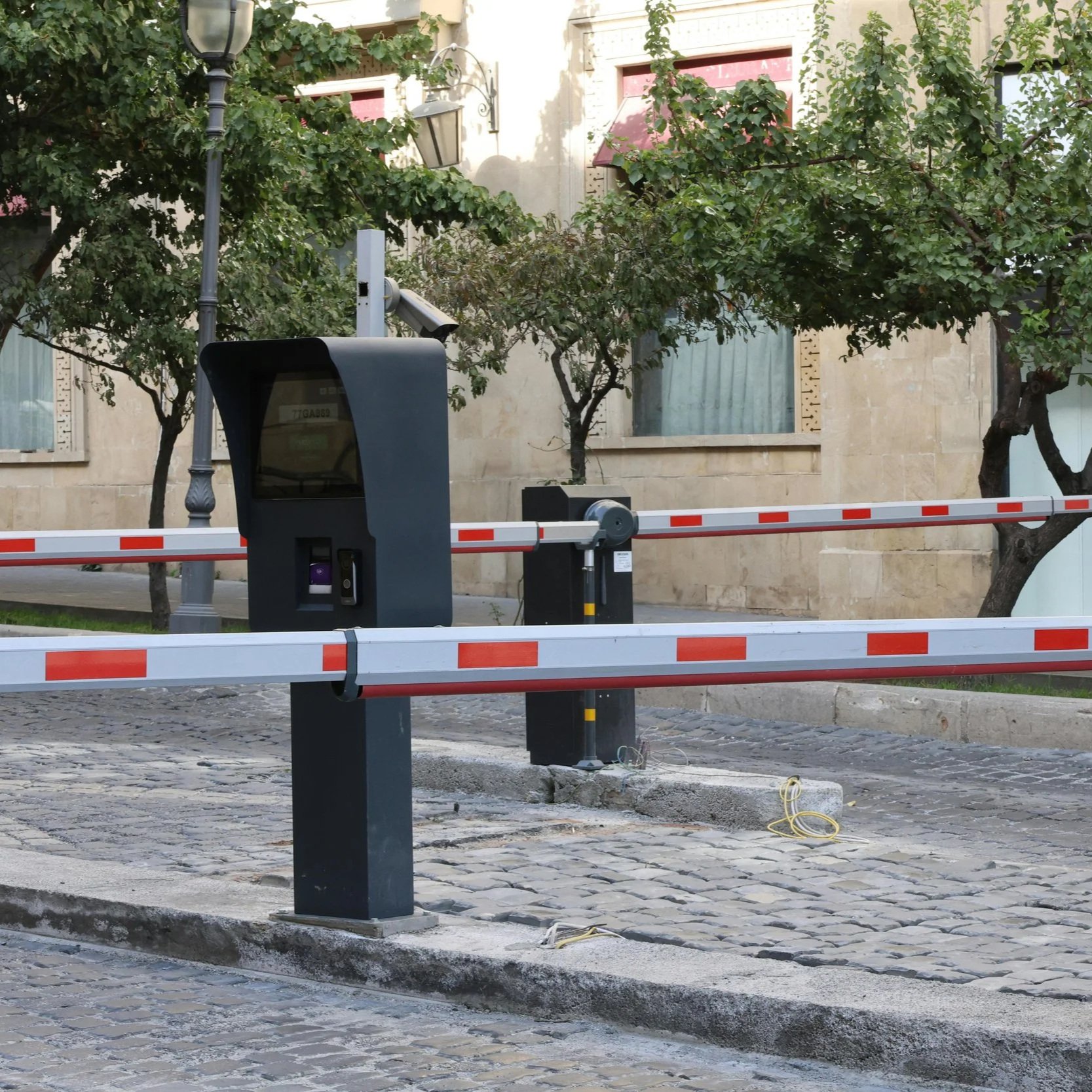
Gate automation transforms a traditional manual gate into a fully motorized, responsive entry system that operates with the touch of a button or a voice command.
Understanding The Basics Of Gate Automation
Gate automation transforms a traditional manual gate into a fully motorized, responsive entry system that operates with the touch of a button or a voice command. It works through a combination of mechanical components, electrical wiring, and programmed controls, all working together in harmony. At its core, the system uses a motor to move the gate along its designated path, whether swinging inward, outward, or sliding to the side. Professional installation focuses on matching the correct motor size and type to the gate’s weight and design, so the operation remains smooth and reliable even after years of use. The goal is to provide a system that responds instantly to commands, offers consistent performance, and blends seamlessly into the property’s daily routine.
Assessing The Property And Gate Type
Before any installation begins, a professional evaluates the property’s layout, driveway slope, gate dimensions, and existing infrastructure. A sliding gate may be the perfect solution for properties with limited space or steep driveways, while a swing gate can be an excellent choice for wider driveways with ample clearance. Materials like wrought iron, aluminum, and composite wood each have their own benefits and limitations when paired with automation hardware. A detailed assessment also identifies the most efficient power source location and determines if additional wiring, trenching, or post reinforcement may be necessary. The evaluation stage helps avoid installation challenges and makes sure the chosen system can operate flawlessly within the property’s unique environment.
Selecting The Motor And Drive System
The motor is the powerhouse of the gate automation system, and selecting the right one is critical to achieving dependable performance. Chain-driven systems are well-suited for heavy gates, providing strong pulling power, while belt-driven systems offer quieter operation that’s ideal for residential neighborhoods. Worm gear and hydraulic motors are popular for swing gates that require precise movement and control. Professionals take into account the gate’s weight, operating frequency, and desired speed before making a recommendation. Choosing the right drive system prolongs the lifespan of the motor and enhances the user experience by delivering smooth and efficient movement.
Wiring And Power Setup
Automation requires a reliable power source, which makes the wiring phase one of the most important steps in the process. Electricians or trained gate technicians run power from the property’s electrical system to the motor, often using underground conduit to protect cables and maintain a clean appearance. In cases where connecting to the main power is not practical, solar-powered systems provide a sustainable and effective alternative, especially in sunny climates. Proper grounding and surge protection are incorporated to safeguard the system from electrical spikes. This step protects the investment and keeps the gate operating without interruptions.
Installing The Control Panel
The control panel acts as the central command station for the entire system. It receives input from remote controls, keypads, intercoms, or mobile devices, then translates that input into instructions for the motor. Technicians mount the control panel in a weatherproof enclosure and configure it for the property’s specific requirements. Adjustments can be made for gate speed, soft start and stop settings, and automatic closure timing. Professional programming allows for fine-tuned customization, so the system operates exactly as the property owner wants.
Adding Access Control Features
A modern automated gate can be equipped with a variety of access control methods to suit the lifestyle of the homeowner. Keypads offer code-based entry for family and trusted visitors. RFID readers respond to cards or tags, making entry as simple as passing within range. Remote controls provide quick access from a vehicle, while smartphone integration allows operation from anywhere in the world. Advanced systems may include license plate recognition technology for seamless entry without any manual interaction. Professionals help select the right combination of access options and integrate them so that they function together without glitches.
Incorporating Safety Sensors And Obstacle Detection
Safety is a priority in professional gate automation. Photoelectric beams detect when something passes through the gate’s path and signal the system to stop or reverse its motion. Pressure-sensitive edges can detect physical contact and immediately halt movement. Placement and calibration of these sensors are crucial for accurate operation, preventing accidental contact with vehicles, pets, or people. Professional installers test the system in various conditions to confirm that it reacts properly, even in rain, wind, or low-light situations.
Fine-Tuning Gate Movement
Once the gate is installed and connected, fine-tuning its movement is essential. Professionals adjust opening and closing limits so the gate aligns perfectly with its latch or stop point. They also calibrate the motor’s force settings to provide smooth motion without overexerting the system. Soft start and stop settings help prevent abrupt movements, reducing wear on mechanical parts and creating a more refined motion. A properly tuned gate offers not just functionality, but also a sense of polish that complements the property’s aesthetic.
Integrating Lighting And Communication Systems
Gate automation can be enhanced with lighting and communication features that make the entryway both functional and welcoming. Entry lights can automatically turn on when the gate begins to open, improving visibility for drivers and guests. Intercom systems provide a way to communicate with visitors before granting access, whether through an audio link or a video feed. Professional installation allows these systems to work together effortlessly, so lighting, communication, and gate operation all respond as one.
Testing And Demonstration
Before completing the project, professionals run the gate through multiple open-and-close cycles to verify its performance. They test every access method, from remotes to mobile controls, and check that safety sensors respond correctly. The property owner receives a thorough demonstration, learning how to operate the system, change codes, and perform simple checks. The handover stage makes sure the homeowner feels comfortable and confident in daily use.
Planning For Maintenance
An automated gate is a sophisticated piece of equipment that benefits from regular care. Hinges and rollers should be lubricated, tracks kept free of debris, and bolts checked for tightness. Electrical connections require periodic inspection to avoid corrosion, especially in coastal environments. Many professionals offer ongoing maintenance plans that include scheduled checkups, cleaning, and component adjustments. Staying proactive with upkeep keeps the system reliable and can extend its life well beyond the standard expectancy.
Future-Proofing The System
Technology is evolving rapidly, and professional services often plan installations with future upgrades in mind. Modular motors, expandable control panels, and systems with software update capabilities help keep the gate current with emerging technology. This forward-thinking approach allows for easy integration of new features such as updated mobile apps, improved access control devices, or compatibility with other smart home components. Homeowners benefit from a system that can adapt rather than needing full replacement when new technology emerges.
Environmental And Lifestyle Considerations
Santa Monica and the surrounding areas present unique environmental factors for gate automation. Coastal air can promote corrosion, making stainless steel and powder-coated finishes popular choices. Driveways with steep inclines may require specialized hardware or motor configurations. Busy households with multiple residents and frequent visitors benefit from programmable access schedules, allowing different permissions for service providers, guests, and family members. Professionals take these lifestyle and environmental details into account, creating a system that fits both the property and its occupants perfectly.
Professional Installation Vs. DIY Attempts
While consumer kits may promise simple installation, the reality is that proper gate automation involves specialized skills. Incorrect alignment can lead to mechanical stress, poor movement, or premature failure. Wiring mistakes may cause operational issues or even damage the motor. Professional installation offers precision in every step, from initial assessment to final calibration. It also provides access to expert advice, high-quality parts, and warranties that protect the investment. The difference in performance and longevity between a professionally installed system and a DIY attempt is often substantial.
Ron Albert brings 25+ years of hands-on experience in electric gate automation to InteleGates. For an existing gate, the team can assess the gate type, motor, controls, and access needs before recommending an installation approach that fits the property.
Gate AutomationElectronic Gate Installation
InteleGates