
InteleGates Guide
Gate Motor Sticking Out Like a Sore Thumb?
Mar 1
Written By Giulia Gomes
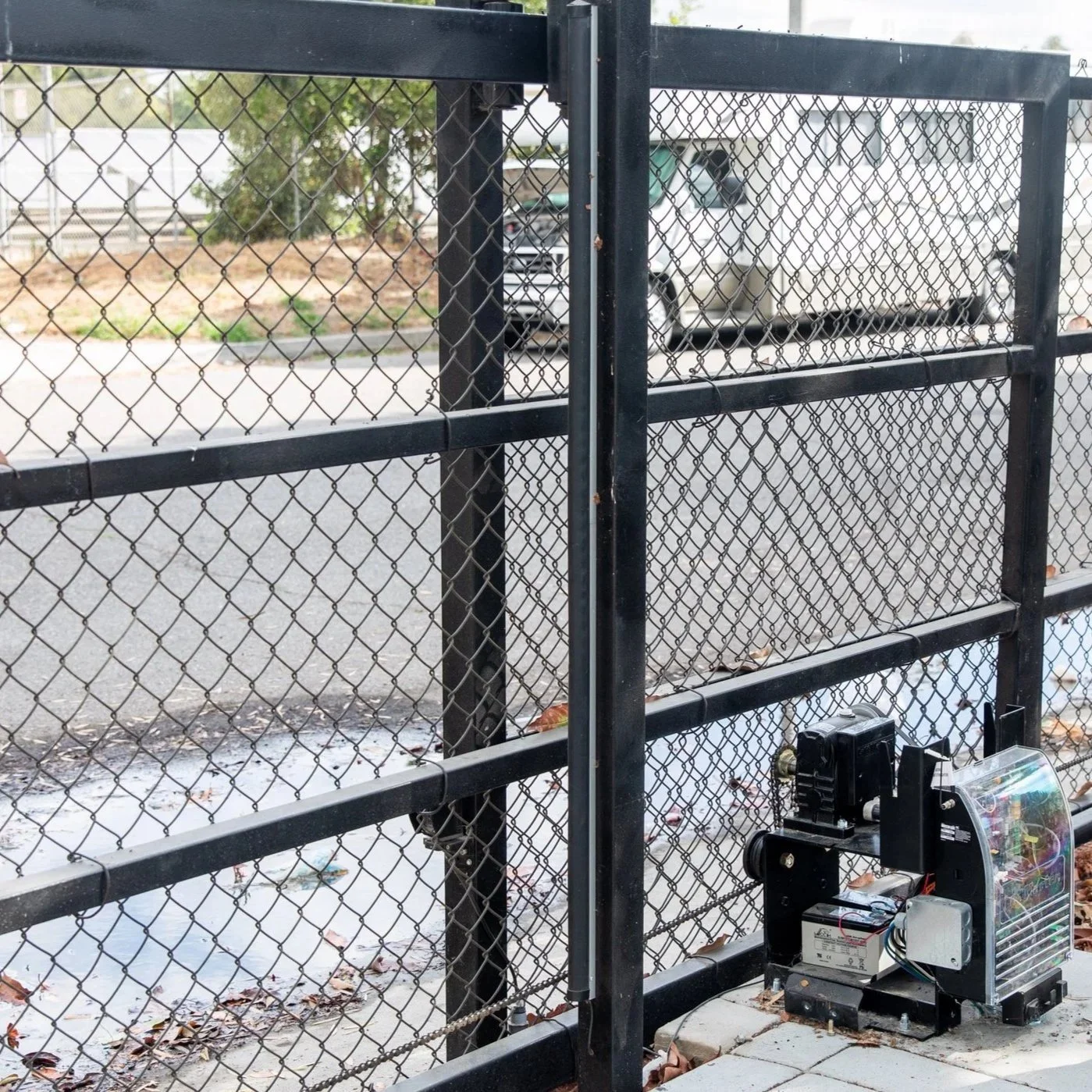
Underground versus surface-mounted gate motors is not just a style choice. It directly affects reliability, repair costs, and how your driveway feels every single day.
Tired of staring at that bulky box bolted to your driveway post every time you pull in? Or worse, dealing with a hidden underground motor that keeps failing and flooding after every heavy rain?
You finally invested in an automatic gate for privacy and protection, and now the motor is either an eyesore on your entryway or a constant source of breakdowns. Many homeowners call professionals frustrated because their beautiful custom gate looks unfinished, thanks to a visible surface-mounted motor. Others are fed up because their underground system keeps shorting out, flooding, or becoming a maintenance headache. Underground versus surface-mounted gate motors is not just a style choice. It directly affects reliability, repair costs, and how your driveway feels every single day.
Looks Clean, Works Hard: The Appeal Of Underground Gate Motors
Underground gate motors are exactly what they sound like. The motor mechanism is installed below ground level, typically in a protective foundation box near the gate hinge. From the outside, you see the gate moving, but you do not see a bulky operator attached to the post. For many homeowners, that clean appearance is the main selling point.
Underground gate motors are better in certain situations, especially when aesthetics matter most. High-end properties, architectural estates, and historic homes often favor underground systems because nothing disrupts the gate's visual lines. You get a seamless look. No visible arms. No metal housing bolted to masonry columns. For homeowners who invested heavily in custom ironwork or modern steel gates, preserving that appearance is a big deal.
Functionally, underground motors can operate very smoothly. They connect directly at the hinge point, allowing controlled, even movement. That design reduces some of the visible mechanical motion you see with surface-mounted arms. However, the part many homeowners misunderstand is what happens below ground. These systems sit in foundation boxes. Water intrusion, poor drainage, soil shifting, and debris buildup can all affect performance over time. A clean look above ground does not mean low maintenance below ground.
When Hidden Becomes A Headache
Many homeowners think underground means protected. That assumption makes sense at first glance. If the motor is buried, it must be shielded from the weather, right? In reality, underground systems are subject to various environmental stresses.
Moisture is the biggest issue. Even in areas that do not get constant rain, irrigation systems, condensation, and occasional storms can introduce water into underground enclosures. If drainage is poorly designed or poorly maintained, water collects. Electrical components do not handle standing water well. Over time, corrosion develops. Wiring degrades. The motor may start hesitating or shutting down entirely.
Soil movement also plays a role. Ground shifts slightly with temperature changes and settling. That movement can affect alignment between the motor and the gate hinge. A slight misalignment might not be immediately apparent. After months or years, however, it increases strain on the motor. Homeowners often think the motor itself failed when the real issue started with drainage or installation. Underground gate motors require careful planning and periodic inspection. Ignoring what is happening below the surface leads to rising repair costs and unexpected downtime.
Surface-Mounted Motors: Visible But Straightforward
Surface-mounted gate motors attach directly to the gate and post above ground. You see the motor housing. You see the articulated arm moving as the gate opens and closes. For some homeowners, that visibility feels industrial or distracting. For others, it is simply practical.
Many homeowners ask which gate motor setup is most reliable. In many standard residential applications, surface-mounted systems are easier to maintain and diagnose. Because the components are exposed, technicians can quickly inspect wiring, arms, and mounting brackets. If something is loose or worn, it is usually visible. Repairs tend to be more straightforward because access is simple.
Surface-mounted motors also avoid many of the moisture concerns associated with underground installations. They still face weather, of course, but they are not sitting in a below-grade box where water can pool. Modern housing is designed to handle outdoor conditions. When properly rated for the climate, they perform consistently for years. The tradeoff is aesthetic. You will see the motor. Whether that bothers you depends on how much visual minimalism matters for your property.
The Common Mistake: Choosing Based On Looks Alone
One of the biggest homeowner mistakes is choosing between underground and surface-mounted gate motors based solely on appearance. The thought process often goes like this: the underground looks cleaner, so it must be better. That shortcut overlooks how the property actually functions.
Driveway slope, soil composition, drainage patterns, and frequency of gate use all matter. A property with poor drainage or heavy irrigation near the gate posts may not be ideal for underground equipment unless additional drainage systems are installed. A gate that cycles dozens of times per day may require a motor configuration that prioritizes maintenance accessibility. Homeowners sometimes underestimate how often their gate operates. Deliveries, guests, family members, service providers, and ride shares all add up.
Surface-mounted systems may look more mechanical, but they can offer long-term reliability in challenging environments. Underground systems maintain clean lines but require thoughtful installation and ongoing oversight. Ignoring those practical factors in favor of appearance often leads to frustration. A driveway entry should feel smooth and dependable, not like a hidden gamble under the pavement.
Long-Term Costs And Maintenance Reality
When comparing underground vs surface-mounted gate motors, many people focus on upfront installation cost. Underground systems often require more extensive groundwork, including excavation, drainage planning, and concrete foundation boxes. That labor increases initial expense. Surface-mounted systems generally involve less invasive installation.
Long-term maintenance is where the difference becomes more personal. An underground motor that develops drainage issues may require excavation to access components. Repairs can be more labor-intensive simply because of the location. Surface-mounted motors usually allow for quicker service access. That convenience can reduce downtime and service costs throughout the system's life.
Homeowners frequently ask whether underground gate motors last longer. Lifespan depends less on location and more on installation quality, environmental conditions, and maintenance habits. A well-installed underground system with proper drainage can operate reliably for years. A poorly drained one may experience issues much sooner. Similarly, a surface-mounted motor that is undersized for a heavy gate will wear out prematurely regardless of how accessible it is. Matching motor capacity to gate weight and usage matters more than whether it sits above or below ground.
When We Recommend Each Option In Real Homes
Intelegates does not approach underground versus surface-mounted gate motors as a one-size-fits-all decision. We look at how the homeowner uses the gate, the property layout, and how much emphasis they place on aesthetics versus service accessibility.
For high-end architectural properties where visual impact is paramount, underground systems often make sense. Clean lines and hidden mechanics support the overall design. In those cases, we pay close attention to drainage, sealing, and soil conditions. Proper groundwork becomes just as important as the motor itself.
For properties where reliability, ease of maintenance, and budget are primary concerns, surface-mounted motors are often the practical choice. They offer straightforward installation and simpler access for future service. Homeowners who value function over minimalism frequently prefer that setup. Neither option is inherently superior. The right choice depends on balancing appearance, environment, and long-term expectations.
Daily Life With The Right Motor Setup
When the motor type matches the property's needs, daily operation fades into the background. You press the remote, and the gate opens smoothly without hesitation. You do not worry about hidden water damage or visible mechanical strain. The driveway feels like an intentional part of the home rather than a recurring inconvenience.
Homeowners who previously dealt with flooding, underground boxes, or corroded wiring often describe a sense of relief once the underlying issue is addressed. Others who disliked the bulky look of surface-mounted arms feel satisfaction when an underground system restores clean sightlines. The goal is not just movement. The goal is consistent, predictable performance that supports security and privacy without adding new frustrations.
Underground vs surface-mounted gate motors is a decision that deserves more thought than most people initially give it. A gate is one of the first things you see when you arrive home. It should operate smoothly, fit the property's style, and withstand real-world conditions over time.
Frequently Asked Questions
Are underground gate motors more expensive to repair?
Repairs can be more labor-intensive because accessing components may require opening the foundation box or addressing drainage issues. Surface-mounted systems are typically easier to reach, which can reduce service time. Actual cost depends on the specific problem and installation quality.
Do underground gate motors flood easily?
Flooding is possible if drainage is not properly designed or maintained. Water from rain, irrigation, or runoff can accumulate in below-grade enclosures. Proper drainage planning significantly reduces that risk, but it requires careful installation and periodic inspection.
Are surface-mounted motors less durable?
Surface-mounted motors are not inherently less durable. Many are built for long-term outdoor exposure and perform reliably when matched to the correct gate weight and usage level. Durability depends more on sizing, installation, and maintenance than on visibility.
Which option is better for heavy gates?
Both underground and surface-mounted systems can handle heavy gates if properly rated. The key is selecting a motor with adequate torque and capacity for the specific gate design. A professional evaluation helps determine which configuration best supports the gate’s weight and daily cycle demands.
InteleGates Inc. is a leading comprehensive gate access system service provider in Los Angeles and Orange County. We provide residential, commercial, and industrial solutions for installation, maintenance, and repair of electric gate motors and systems. We also offer emergency gate repair. Our skilled technicians can handle all types of issues, from simple to complex. Call us!
Giulia Gomes