
InteleGates Guide
How Does an Automatic Gate Opener Work? Explained
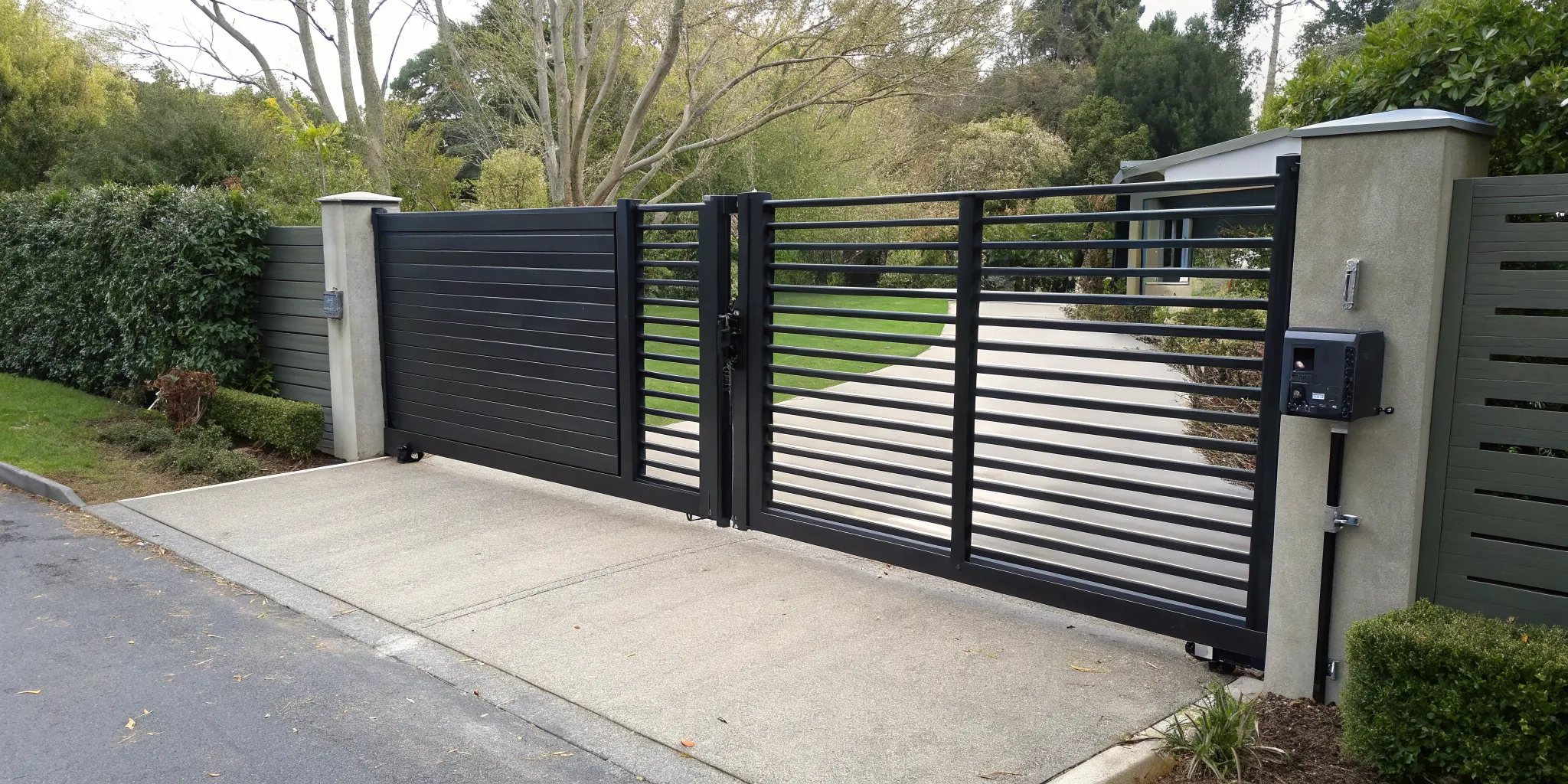
The smooth, quiet motion of an automatic gate opening as you approach can feel like magic. But it’s not magic; it’s a brilliant piece of engineering. That powerful machine, the gate opener, is the heart of your entire entry system. It’s a blend of muscle and brains, designed to move a heavy gate safely and reliably every single day. For property owners considering this upgrade, a key question comes to mind: how does an automatic gate opener work? Understanding the answer involves looking at the key parts, from the motor that provides the force to the control board that makes the decisions. Let’s explore the technology that makes a professional electric gate system installation such a valuable addition to your property.
Key Takeaways
- Think System, Not Just Motor: An automatic gate opener is the heart of a system where the motor, control board, power supply, and safety sensors must work in harmony for reliable and safe operation.
- Find the Perfect Match for Your Gate: The best opener is one tailored to your gate's specific style, weight, and your property's layout; you can customize your access with options like remotes, keypads, or smartphone apps for ultimate control.
- Keep Your System Safe and Smooth: Your gate's built-in safety features, such as obstruction sensors and auto-reverse functions, are vital for preventing accidents, so protect your investment with easy personal checks and yearly professional maintenance.
What Is an Automatic Gate Opener?
Simply put, an automatic gate opener, also called a gate operator, is the motorized device that opens and closes your gate for you. It’s the core component that turns a standard manual gate into an automated one. This machine eliminates the need to physically push or pull your gate open, adding a layer of convenience and security to your property. Whether you’re arriving home in the rain or managing access to a commercial facility, a gate opener does the heavy lifting so you don’t have to.
Automatic vs. Manual Gates
Let's be honest, getting out of your car to wrestle with a heavy gate is a hassle, especially in bad weather or when you're in a hurry. That’s the daily reality of a manual gate. While it secures your property, it demands your physical effort every time you enter or exit. An automatic gate, however, is a complete game-changer. It uses a motorized system to do the work for you, offering a modern and sophisticated approach to property security. This isn't just about avoiding a minor inconvenience; it's about upgrading how you interact with your home or business. By choosing to automate your gate, you’re investing in a seamless, secure, and far more comfortable experience.
What an Automatic Gate Opener Does
So, what’s the magic behind an automatic gate? At its core, a gate opener is the machine that brings your gate to life. Think of it as the engine of your gate system. When you use a remote, keypad, or another trigger, you're sending a signal to the opener's control board. This control board is the brain of the operation. It processes your command and tells the motor to get moving. The motor then provides the power to either swing the gate open or slide it along its track. This simple yet powerful mechanism is what transforms a cumbersome manual gate into an effortless point of entry, giving you complete control over who comes and goes. It's the foundation of any modern access control system.
The Key Parts of an Automatic Gate Opener
An automatic gate opener might seem like a single device, but it’s actually a sophisticated system where several key parts work together to provide smooth, reliable access. Think of it like a team, with each component playing a specific role to ensure your gate opens and closes exactly when you want it to. Understanding these parts helps you appreciate the technology keeping your property secure and makes it easier to spot when something might need a professional tune-up. From the muscle to the brains, let's break down the essential components that make the magic happen.
The Motor
The motor is the powerhouse of your automatic gate system. It’s the component that does all the heavy lifting, converting electrical energy into the physical force needed to move your gate. When you press your remote or enter a code, the motor receives the command and springs into action, smoothly opening or closing the gate. The size and type of motor depend on your gate's weight, length, and style (swing or slide). A properly sized motor ensures your gate operates efficiently without straining, giving you reliable performance day in and day out.
The Control Board
If the motor is the muscle, the control board is the brain. This circuit board is the central command hub of the entire operation. It receives signals from your remote, keypad, or intercom and processes them to tell the motor what to do: open, close, or stop. The control board also coordinates with safety sensors and manages features like auto-close timers. It’s the intelligent core that makes your gate more than just a barrier, turning it into a smart access control system that responds to your specific commands and safety needs.
The Power Supply
Every automatic gate opener needs a reliable source of electricity to function. This power supply can come from a few different sources. Most commonly, the opener is hardwired directly into your property’s main electrical system, providing consistent power. Many systems also include a battery backup, which is a lifesaver during a power outage, ensuring you can still get in or out. For properties looking for a green or off-grid solution, solar panels can also be used to charge the system’s batteries, offering an eco-friendly and self-sufficient power source.
Limit Switches
Have you ever wondered how your gate knows exactly when to stop? That’s the job of the limit switches. These small but crucial devices are positioned to detect when your gate reaches its fully open or fully closed position. Once the gate hits that predetermined spot, the switch sends a signal to the control board, which then tells the motor to shut off. This prevents the motor from overworking and stops the gate from slamming into the post or running off its track, protecting the entire system from damage.
Sensors and Safety Devices
Safety is the most important aspect of any automatic gate. Modern systems are equipped with multiple safety devices to prevent accidents. The most common are photocell safety beams, which project an infrared beam across the gate opening. If a person, pet, or vehicle breaks this beam while the gate is closing, the system will immediately stop and reverse. Other sensors can detect obstructions or pressure. There are also specialized sensors for underground vehicle detection that sense when a car is approaching. Regular electric gate system maintenance ensures these critical safety features are always working correctly.
Common Types of Automatic Gate Openers
When you decide to automate your gate, the opener you choose is a big decision. It's the engine that powers your gate, so it needs to be the right fit for your property and needs. The three most common types are swing, sliding, and barrier arm openers. Each works differently and is suited for specific situations, so understanding the basics will help you make a confident choice for your home or business.
Swing Gate Openers
Swing gate openers work just like they sound, by swinging your gate open and closed like a standard door. These are often the most elegant and traditional-looking option, perfect for residential driveways. They use an articulated arm or an underground motor to push and pull the gate panels. The main consideration for a swing gate is space. Since the gates swing inward or outward, you need to have enough clear, level ground for them to complete their full arc without hitting any obstructions like a parked car, landscaping, or a sloping driveway. Proper gate automation ensures this movement is smooth and reliable every time.
Sliding Gate Openers
If your property has limited space or sits on an incline, a sliding gate opener is an excellent solution. Instead of swinging open, a sliding gate glides sideways along a track, running parallel to your fence or wall. This makes them incredibly space-efficient. You’ll often see them at commercial properties or homes with shorter driveways where a swing gate isn't practical. The opener mechanism is usually a motor with a gear that engages a toothed rack on the gate, pulling it open and pushing it closed. A professional electric gate system installation is key to making sure the track is perfectly level and the gate moves seamlessly.
Barrier Arm Openers
You’ve definitely seen barrier arm openers in action at parking garages, toll booths, and commercial entry points. These systems don't have a traditional gate but instead feature a long arm that pivots up to allow passage and down to block it. Their main advantage is speed. Barrier arms are designed for high-traffic areas where you need to control a steady flow of vehicles quickly and efficiently. While not typically used for residential security, they are an essential part of a comprehensive access control system for many businesses, apartment complexes, and industrial sites, managing vehicle entry without delay.
What Powers an Automatic Gate Opener?
An automatic gate opener needs a steady source of energy to do its job. Without power, it’s just a gate. Luckily, you have a few great options to choose from, depending on your property’s needs and your personal preferences. The three main ways to power your gate are by connecting it to your property’s electrical system, using solar panels, or relying on a battery backup for emergencies. Let's look at how each one works so you can decide what’s best for you.
Hardwired Electric Systems
Most automatic gates are powered by connecting them directly to your property's electrical system. This is a popular and reliable choice because it provides a constant, steady stream of power. Think of it like any other permanent fixture, such as your outdoor lighting or air conditioning unit. A professional electric gate system installation ensures the wiring is safe, secure, and up to code, giving you a dependable system that works every time you press the button. Because it’s tied into your main power supply, you never have to worry about a battery running low on a normal day. It’s a straightforward and powerful solution for most homes and businesses.
Solar-Powered Gate Openers
If you're looking for an eco-friendly option or your gate is located far from a power source, a solar-powered opener is a fantastic solution. These systems use solar panels to capture energy from the sun and store it in a dedicated battery. This stored power is then used to open and close your gate. It’s a self-sufficient setup that can lower your electricity bills and reduce your carbon footprint. In a sunny place like Los Angeles, solar is an especially efficient choice. Modern gate automation technology has made solar openers just as reliable as their hardwired counterparts, making them perfect for remote locations or anyone wanting a greener alternative.
Battery Backup Systems
What happens when the power goes out? Whether it’s due to a storm or a grid issue, you don’t want to be stuck inside or outside your property. This is where a battery backup system becomes essential. It’s not a primary power source, but rather a fail-safe that automatically kicks in the moment your main power is cut. This feature ensures you can continue to use your gate without interruption. Most modern gate openers include a battery backup for this very reason, providing security and peace of mind. Regular electric gate system maintenance is key to making sure your backup battery is charged and ready for when you need it most.
How Do You Tell Your Gate to Open?
An automatic gate is a fantastic addition to any property, but it can’t read your mind (at least, not yet!). The real magic happens in the way you communicate with it. Your gate opener relies on an access control system to know when to spring into action. The right system for you depends entirely on your needs, your property’s layout, and how you want to manage entry for yourself, your family, and your guests. From a simple clicker to a sophisticated smartphone app, you have plenty of options to choose from. Let's walk through the most common ways you can tell your gate to open.
Remote Controls
This is the classic method everyone pictures: the simple, reliable clicker. Remote controls are small handheld devices, often kept on a keychain or clipped to a car’s sun visor. When you press the button, the remote sends a secure radio frequency (RF) signal to a receiver connected to your gate’s control board. This signal is the command to open or close. It’s a straightforward and effective solution for personal use, giving you quick and easy access as you approach your property. You get the convenience of staying in your car, which is especially nice during a downpour or late at night.
Keypads and Entry Key Cards
A keypad is a great option for granting access without a physical remote. Installed on a post near the gate, it allows entry to anyone with the correct PIN code. This is perfect for giving access to family members, landscapers, or delivery services without having to hand out multiple remotes. Similarly, entry key cards or fobs work by swiping or tapping them on a reader. Many businesses and multi-unit residential properties use these systems to manage access for a large number of people, as cards can be easily activated or deactivated as needed, giving you full control over who comes and goes.
Intercom and Telephone Entry Systems
What if a visitor arrives unexpectedly? An intercom system lets you communicate directly with them before deciding whether to grant access. When a guest presses the button at the gate, it can ring a station inside your home or even call your phone. You can speak with them and, with the press of a button, open the gate remotely. This adds a powerful layer of security, as you can screen visitors from the safety of your home or office, ensuring you always know who is entering your property.
RFID Entry Systems
If you want a truly seamless, hands-free experience, an RFID system is an excellent choice. RFID stands for Radio Frequency Identification. It works by placing a small tag on your vehicle (often a sticker on the windshield or a hanging tag). As your vehicle approaches the gate, a reader detects the tag’s unique signal and automatically opens the gate for you. You don’t have to press a button, roll down your window, or enter a code. It’s a smooth and modern solution that makes entering your property completely effortless.
Underground Vehicle Detection Loops
Have you ever wondered how some gates seem to magically open as a car approaches from inside the property? That’s usually an underground vehicle detection loop at work. These systems involve a wire that is installed beneath your driveway’s surface. This wire creates an induction loop that can detect the large metal mass of a vehicle. When your car drives over it, the loop sends a signal to the gate operator to open, allowing for a smooth and automatic exit. This is a key feature for both safety and convenience, preventing you from getting boxed in.
Smart Home and Mobile App Integration
For the ultimate in control and convenience, you can integrate your gate with your smart home system or control it via a mobile app. This level of gate automation connects your gate opener to your Wi-Fi or a cellular network, allowing you to open, close, and monitor your gate from your smartphone, no matter where you are. You can grant access to a delivery driver while you’re at work, check if you remembered to close the gate after leaving, or receive notifications anytime it’s used. It’s a modern solution that puts complete control right in the palm of your hand.
How Automatic Gates Keep You Safe
An automatic gate is more than just a convenient way to enter your property; it’s a sophisticated system designed with your safety as a top priority. While we love the security and ease they provide, it’s the built-in safety features that offer true peace of mind. These mechanisms are engineered to prevent accidents, protecting your family, pets, and vehicles from the gate’s powerful moving parts.
Modern gate openers come equipped with multiple layers of protection that work together seamlessly. From invisible light beams that detect presence to smart motors that can feel an obstruction, every component is designed to respond instantly to the unexpected. These features ensure your gate operates reliably and safely day in and day out. A professional electric gate system installation guarantees these safety measures are correctly configured from the start, giving you confidence in your system’s performance.
Photocell Safety Beams
Think of photocell safety beams as an invisible tripwire for your gate. These small sensors are installed in pairs, one on each side of your driveway, creating an infrared beam across the opening. If anything, whether it's a person, a pet, or your car, breaks that beam while the gate is closing, the system immediately tells the gate to stop and reverse. This is your first and most important line of defense against accidents, preventing the gate from closing on an object in its path. They are a standard, essential feature of any modern gate automation system.
Obstruction and Pressure Sensors
In addition to photocells, your gate opener has another clever way to detect trouble: it can feel it. Obstruction and pressure sensors monitor the amount of force the motor is using to move the gate. If the gate encounters an unexpected physical resistance, like a fallen branch or a misplaced toy, the motor has to work harder. The control board instantly recognizes this spike in pressure. In response, it will cut power or trigger the auto-reverse mechanism, preventing the gate from causing damage to itself or the object it has encountered.
Auto-Reverse Mechanisms
The auto-reverse function is the action your gate takes after an obstruction sensor is triggered. Instead of simply stopping dead in its tracks when it bumps into something, the gate will automatically reverse direction. This is a critical feature that actively moves the gate away from the person or object, minimizing the risk of injury or being pinned. This immediate reversal is a key part of what makes modern automatic gates so safe. If your gate’s sensors seem slow to respond, it might be time to schedule an electric gate system repair to ensure everything is functioning correctly.
Manual Release Options
What happens if the power goes out or you need to open the gate without power for any reason? Every automatic gate opener is equipped with a manual release option. This feature allows you to disengage the motor from the gate, usually with a specific key or lever, so you can operate it by hand. This ensures you are never stuck inside or outside your property during a power outage or other emergency. During a routine electric gate system maintenance check, it’s always a good idea to test the manual release to make sure it works smoothly.
Why Install an Automatic Gate Opener?
An automatic gate opener does more than just open and close your gate. It transforms your property's entrance into a seamless, secure, and sophisticated point of entry. If you're considering an upgrade, thinking about the practical benefits can help you see just how much value an automated system adds to your daily life and your property as a whole. From everyday convenience to long-term security, the reasons to make the switch are compelling.
Effortless Convenience
Let’s be honest, getting out of your car in the pouring rain or after a long day just to open a heavy gate is nobody's idea of fun. An automatic gate opener eliminates that hassle completely. With just the push of a button on a remote or a tap in an app, you can glide right onto your property. This simple luxury is the core of modern gate automation, making a huge difference in your daily routine by saving you time and effort every single time you come and go. It’s the kind of convenience that you’ll quickly wonder how you ever lived without, making your arrival home feel a little more welcoming.
Enhanced Security and Access Control
A sturdy gate is a good start, but an automatic one takes your property’s security to the next level. It acts as a strong physical deterrent, stopping unwanted vehicles and individuals from simply wandering onto your property. More importantly, it gives you complete control over who gets in. By integrating your opener with an access control system, you can use keypads, intercoms, or even your phone to grant entry to family, guests, and delivery services. This means you’re not just blocking people out; you’re thoughtfully managing every arrival, ensuring your property remains a safe and private space for you and your family.
Greater Privacy
Your home should be your sanctuary, a place where you can relax without interruption. An automatic gate helps create that private bubble. It provides a clear boundary between your property and the outside world, discouraging solicitors, nosy passersby, and anyone else who might intrude on your peace. This added layer of separation allows you to enjoy your yard, patio, or pool without feeling like you’re on display. A professional electric gate system installation ensures your entrance is both welcoming to you and a clear signal of privacy to the public, giving you the freedom to fully enjoy your personal space.
Improved Curb Appeal and Property Value
An automatic gate is more than just a functional tool; it’s a statement piece that can significantly enhance your property's appearance. A well-designed gate that complements your home’s architecture adds a touch of elegance and sophistication, boosting your curb appeal from the moment it’s seen. This aesthetic improvement isn't just for show. It’s an investment that can translate into a real increase in your property's market value. Potential buyers often see an automatic gate as a premium feature that signals security, privacy, and luxury, making your home a more attractive and valuable asset.
Will an Automatic Opener Work With My Gate?
The short answer is almost certainly yes. Thanks to modern technology and a wide variety of opener types, nearly any existing gate can be automated. The real question isn't if an opener will work, but which opener is the right one for your specific property. Turning your manual gate into an automatic one is a matter of matching the right motor and hardware to your gate's design, weight, and your daily needs.
The process starts with a professional assessment of your current setup. We look at how your gate moves, how heavy it is, and how much space you have. We also discuss how you want to control it. Do you prefer a simple remote, or do you want the ability to open it with your smartphone from anywhere? A successful gate automation project ensures all the components, from the motor to the safety sensors, work together flawlessly. It’s about creating a system that is not only convenient but also safe and reliable for years to come.
Matching Your Gate's Style
The type of automatic opener you need depends entirely on how your gate moves. The two most common styles for residential and commercial properties are swing gates and sliding gates.
Swing gates operate just like the doors in your home, swinging inward or outward. They require an opener with an articulated arm or a linear actuator that pushes and pulls the gate panel open and closed. The main consideration here is clearance; you need enough unobstructed space for the gate to complete its full swing.
Sliding gates are a fantastic solution for properties with limited space or an inclined driveway. These gates slide horizontally along a track. The opener uses a motor to turn a gear that engages with a toothed rack on the gate, smoothly pulling it open or shut.
Connecting to Your Smart Home
Your automatic gate can be much more than just a barrier opened by a remote. Modern openers can integrate directly into your connected lifestyle. Many systems now use Bluetooth or cellular networks, allowing you to monitor and operate your gate right from a smartphone app. This means you can grant access to a delivery person while you're at the office or check to make sure your gate is closed from anywhere in the world. An advanced access control system gives you complete command over who enters your property and when, adding a powerful layer of security and convenience.
Finding the Right Fit for Your Gate
Choosing the perfect opener involves more than just picking a brand. A professional installation considers several key factors to ensure your system is effective and long-lasting. First, we evaluate the gate itself. Its size, weight, and even the material it's made from will determine how powerful the motor needs to be. A heavy, solid wood gate requires a much stronger motor than a lightweight aluminum one. We also consider your power source. While most systems are hardwired into your property's electrical grid, solar power is an excellent alternative for gates located far from a power outlet. A proper electric gate system installation accounts for all these variables to create a perfectly tailored solution.
Keep Your Gate Opener in Top Shape
An automatic gate opener is a hardworking piece of machinery. Just like your car, it needs a little attention to keep running smoothly for years to come. Taking care of your gate opener not only prevents surprise breakdowns but also helps you avoid bigger, more expensive problems down the road. A few simple checks you can do yourself, combined with knowing when to call in a pro, will ensure your gate is always ready to welcome you home.
Simple Maintenance You Can Do
You don't have to be a gate expert to perform some basic upkeep. Make it a habit to regularly check the gate's moving parts and tracks for any debris or signs of wear. Keeping these pathways clear is an easy win. It's also a great idea to lubricate the hinges, chains, and other moving components with an appropriate grease or oil. This simple step keeps everything moving smoothly and quietly. Finally, take a moment to test your safety sensors. Wipe them clean of any dust or cobwebs and make sure they are correctly detecting obstructions. These small actions are key to the long-term health and safe operation of your gate.
When to Call for Expert Help
While DIY checks are great, some jobs are best left to the professionals. We recommend scheduling an electric gate system maintenance check with an expert at least once a year. A trained technician can spot and fix small issues before they turn into major headaches. You should also call for help immediately if you notice anything unusual, like strange grinding noises, jerky movements, or if the gate stops responding altogether. And if you ever see loose or damaged electrical wires, please don't touch them. For your safety, it's crucial to have a professional handle any electric gate system repair to ensure everything is working correctly and safely.
Frequently Asked Questions
What happens if the power goes out? Will I be stuck? That’s a very common and completely valid concern, but you can rest easy. Modern automatic gate systems are designed with power outages in mind. Most openers come with a battery backup that kicks in automatically the moment the main power is cut, allowing you to use your gate normally. In addition, every system includes a manual release mechanism. This lets you easily disengage the motor and open the gate by hand, so you’re never trapped inside or outside your property.
Can I install an automatic gate opener myself? While it might seem like a manageable weekend project, installing a gate opener is more complex than it looks. It involves precise mechanical alignment, electrical wiring, and the critical calibration of safety features. A professional installation ensures the motor is correctly matched to your gate's weight and that all safety sensors are working perfectly to protect your family and vehicles. For safety and long-term reliability, this is one job we always recommend leaving to the experts.
How do I know if a swing or sliding opener is right for my driveway? The best choice really comes down to the layout of your property. A swing gate opener, which opens the gate like a door, is a beautiful option if you have enough flat, clear space for the gate to swing through its full arc. If your driveway is on a slope or you have limited space, a sliding gate opener is the ideal solution. It moves the gate sideways along your fence line, requiring very little depth and making it incredibly space-efficient.
Is a solar-powered gate opener a good idea in Los Angeles? Absolutely. With our abundant sunshine, Los Angeles is a perfect place for a solar-powered gate opener. Modern solar technology is incredibly reliable and can provide more than enough power to operate your gate, even on cloudy days, thanks to the energy stored in its backup battery. It’s an excellent, eco-friendly choice, especially for gates that are located far from a direct power source, and it can even help you save on your electricity bill.
What's the first step if I want to automate my existing gate? The first step is to have a professional take a look at your current setup. An expert can assess your gate’s style, weight, and condition, as well as the layout of your property. From there, they can recommend the right type and size of motor, discuss your access control preferences (like keypads or remotes), and ensure the final system will be safe, secure, and perfectly suited to your needs. A quick consultation can give you a clear path forward.