
Your Driveway Gate Can Crush More Than You Think
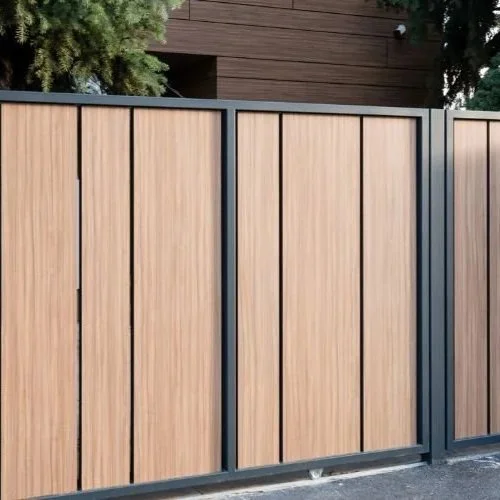
Most homeowners assume their gate motor will stop before anyone gets hurt, but we have seen too many that would not.
If your automatic gate slams shut and you have never tested what happens when something is in the way, you are gambling every time it closes. Most homeowners assume their gate motor will stop before anyone gets hurt, but we have seen too many that would not.
You installed your gate for privacy and security, not to introduce a new hazard into your driveway. The idea that a heavy metal gate could pinch a hand, trap a pet, or dent a car bumper is not something most families want to think about. Still, pinch and crush hazards are real risks with automatic gates when design, installation, or maintenance fall short. We have stood in driveways after close calls, looking at scraped paint, bent panels, and shaken homeowners who thought the system was safer than it actually was. Professional gate motor design is not just about smooth movement. It is about building layers of protection that reduce the chance of injury or damage.
At Intelegates, we treat pinch and crush prevention as a core part of every project, not an afterthought. A gate that looks impressive and operates quietly can still hide dangerous gaps or excessive force. Understanding where those hazards exist and how proper design addresses them helps homeowners make smarter decisions and sleep better at night.
Where Pinch Points Actually Happen
Most people picture the leading edge of a gate as the main risk area. While that edge is important, pinch points exist in multiple locations. Hinges on swing gates create tight spaces where fingers can be caught. Sliding gates generate shear points along the track and between the gate frame and adjacent posts. Rollers and chain mechanisms can also create narrow gaps that pose a risk.
Homeowners often ask, where can an automatic gate pinch someone? The answer depends on the design. A poorly spaced hinge or an exposed roller assembly can create a hazard even if the motor has proper safety features. Children are especially vulnerable because they are curious and their smaller hands fit into tight spaces. Professional gate motor design considers these physical pinch points during fabrication and installation. Shielding, spacing, and protective covers reduce access to moving parts. Ignoring these details leaves hidden dangers that may not become obvious until an accident occurs.
Crush Zones Along The Closing Path
Crush hazards occur when a gate closes against a fixed object without stopping. That object might be a vehicle, a trash bin, or a person. Automatic gates rely on a combination of sensors and force monitoring to detect obstructions. If those systems fail or are misconfigured, the gate can apply significant pressure.
Homeowners sometimes assume the motor is too weak to cause real harm. Modern gate motors generate substantial torque, especially on heavy steel gates. When force settings are too high or mechanical resistance masks true obstruction detection, the motor may continue pushing. I have seen gates bend panels and damage vehicle doors because the system did not reverse quickly enough. Professional gate motor design addresses crush zones by incorporating multiple safety layers, including photo eyes, contact sensors, and properly calibrated force limits.
Why Does My Gate Not Stop When It Hits Something?
That question usually follows a scare. An automatic gate should stop and reverse when it encounters unexpected resistance. If it does not, something is wrong with the safety configuration or mechanical alignment. In many cases, increased friction from misaligned tracks or sagging hinges changes the baseline resistance the motor expects.
When resistance is already high during normal movement, the motor may not recognize additional force from an obstruction as abnormal. The system essentially learns bad behavior. Professional design and regular maintenance keep baseline resistance low, enabling safety systems to respond accurately. Adjusting force limits without correcting mechanical drag is a common shortcut that increases the risk of crushing. Proper calibration requires both mechanical and electronic evaluation.
The Common Mistake Of Overpowering The Gate
Homeowners often request stronger motors to handle wind or heavy materials. While adequate torque is necessary, overpowering a gate without balancing safety features can create hazards. A high-torque motor with poorly adjusted force settings may close with more force than intended.
One of the biggest misconceptions is that more power equals better performance. In reality, more power requires more careful calibration. Professional gate motor design matches motor strength to gate weight and usage patterns. It also integrates appropriate safety devices that compensate for increased force potential. Simply installing a larger motor without upgrading sensors or recalibrating settings can increase the risk of pinch and crush incidents.
Photo Eyes And Why Alignment Matters
Photo eyes project an invisible beam across the gate opening. If that beam is interrupted, the gate should stop and reverse. Many homeowners assume that once installed, photo eyes will function indefinitely. Dust, vibration, sun glare, and minor impacts can misalign them over time.
When photo eyes are slightly off target, they may fail to detect smaller obstructions. I have tested systems where the beam passed just above the height of a small pet or child’s toy. Professional gate motor design considers sensor placement carefully. Height, angle, and environmental exposure all matter. During service visits, we physically interrupt the beam and verify immediate response. A gate that closes smoothly does not automatically mean the sensors are working correctly.
Safety Edges And Redundant Protection
In addition to photo eyes, many systems include pressure-sensitive safety edges along the leading edge of the gate. These edges detect direct contact and trigger reversal. They serve as a secondary layer of protection in case a beam is missed or obstructed.
Homeowners sometimes question whether safety edges are necessary on residential gates. The answer depends on design and risk exposure. Solid panel gates with limited visibility benefit significantly from edge protection. Redundancy matters in safety design. If one system fails, another can still intervene. Professional gate motor design does not rely on a single safeguard. It layers protections to reduce the likelihood of a serious incident.
Why Does My Gate Slam Shut So Hard?
A gate that closes aggressively may have force settings that are too high or closing speeds that exceed recommended levels. Homeowners often request a faster closing to reduce the time the driveway is open. While understandable, higher speed reduces reaction time for safety systems.
Slamming gates increases wear on mechanical components and amplifies the impact force during contact. Professional calibration balances speed with safety. Adjusting closing speed and deceleration timing reduces the risk of pinch and crush injuries. A smooth, controlled close is not just about comfort. It is about minimizing hazard potential.
Mechanical Design And Gap Management
Physical spacing plays a significant role in safety. Gaps between the gate and posts, fence lines, or walls must be carefully measured. Too narrow, and pinch points increase. Too wide, and smaller children may fit into areas that were not intended for access.
Professional gate motor design accounts for these variables during fabrication. Guard plates, mesh infill, and protective covers reduce access to moving joints. Retrofitting older gates may require additional shielding to meet modern safety expectations. Overlooking gap management during installation can create risks that are difficult to address later without structural changes.
Maintenance As A Safety Tool
Many pinch and crush hazards develop gradually. Hinges loosen. Tracks collect debris. Rollers wear unevenly. Those mechanical changes alter how the motor senses resistance. A system that was safe at installation can drift out of calibration over time.
Regular inspection and testing of gate motor safety features help identify small issues before they become dangerous. During service visits at Intelegates, we simulate obstruction scenarios, test force reversal thresholds, and inspect for developing pinch points. Proactive maintenance costs far less than dealing with injury or liability after an incident.
Why Is My Gate Acting Differently After A Repair?
Homeowners sometimes notice changes in gate behavior after unrelated repairs. Adjusting a hinge or replacing a roller can alter load characteristics. If force settings are not recalibrated afterward, safety responses may no longer match real conditions.
Any mechanical modification should be followed by a review of safety calibration. Professional gate motor design treats mechanical and electronic systems as interconnected. Ignoring that relationship can compromise protective features even when individual components function properly.
FAQs
What is the difference between a pinch hazard and a crush hazard?
A pinch hazard occurs when body parts can get caught between moving components or tight gaps, such as hinges or rollers. A crush hazard involves the gate pressing against a fixed object with enough force to cause damage or injury. Both require specific design and safety features to mitigate risk.
How can I tell if my gate’s safety features are working?
Testing involves interrupting the photo eye beams during closing and applying controlled resistance to confirm reversal. Visual inspection of safety edges and checking force settings are also important. Professional evaluation provides a more thorough assessment than visual checks alone.
Are heavier gates more dangerous?
Heavier gates can generate more force, especially if paired with high torque motors. Proper design, sensor placement, and calibrated force limits reduce the risk. Weight alone is not the issue. Mismatched equipment and poor configuration create a greater hazard.
Do older gates meet current safety expectations?
Many older systems lack redundant safety features found in modern designs. Upgrading sensors, adding safety edges, and recalibrating force settings can improve protection. Evaluating older installations helps identify areas where improvements are necessary.
How often should safety features be inspected?
Annual inspections are a practical minimum for most residential gates. High-traffic properties or gates exposed to harsh conditions may benefit from more frequent checks. Regular testing helps maintain reliable protection against pinch and crush hazards.
InteleGates Inc. is a leading comprehensive gate access system service provider in Los Angeles and Orange County. We provide residential, commercial, and industrial solutions for installation, maintenance, and repair of electric gate motors and systems. We also offer emergency gate repair. Our skilled technicians can handle all types of issues, from simple to complex. Call us!
