
LA Heat Is Cooking Your Gate Motor in the Driveway
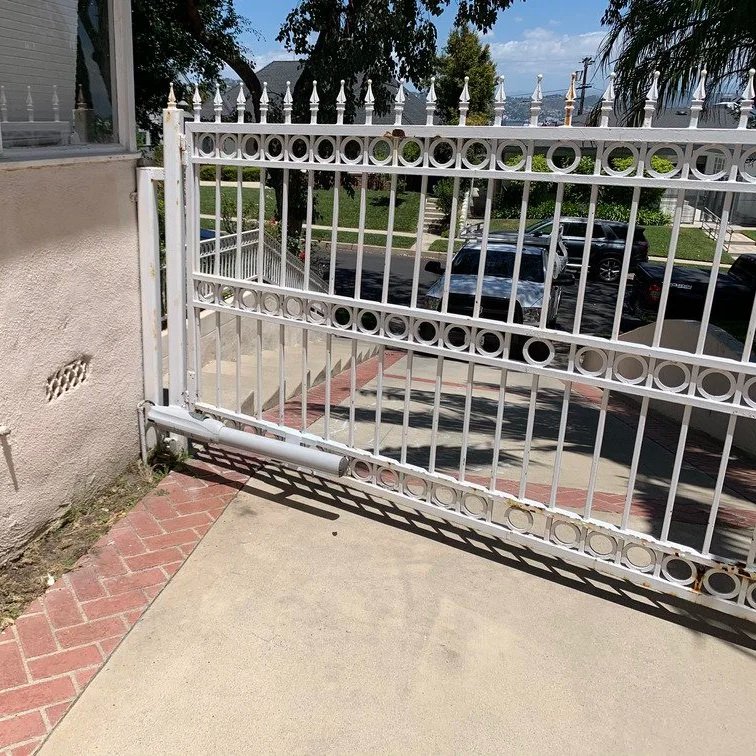
That grinding, sluggish movement in your own driveway is not random, and it is not your imagination.
You step outside in the middle of a Los Angeles, CA, afternoon, hit the remote, and your gate crawls like it's dying in the sun. That grinding, sluggish movement in your own driveway is not random, and it is not your imagination.
Plenty of homeowners in Los Angeles, CA, start searching when their automatic gate begins acting up during the hottest part of the day. The gate works fine in the morning, then suddenly hesitates, strains, or stops halfway across the driveway once the sun has been beating on it for hours. That daily inconsistency leads to frustration first, then concern about expensive repairs later. Nobody installs an automatic gate to babysit it every summer afternoon. Heat, coastal air, and constant sun exposure quietly wear down gate motors and components, and most people do not realize the environment is part of the problem until the symptoms show up.
We have spent years working on gate systems across Los Angeles, CA, and climate plays a bigger role than many homeowners expect. Direct sun, rising pavement temperatures, salty coastal air, and even seasonal wind patterns affect how a gate motor performs over time. At Intelegates, we see patterns repeat themselves from the Valley to the Westside. Gate motors installed without considering local environmental conditions tend to age faster, draw more power, and develop issues that seem mysterious to the homeowner but are predictable to a technician.
Why Does My Gate Motor Struggle In The Afternoon Heat?
That is one of the most common questions I hear during summer service calls in Los Angeles, CA. A gate that operates smoothly in the early morning but groans and slows by the afternoon is usually reacting to temperature changes. Gate motors contain electrical windings, gears, lubricants, and control boards. As temperatures climb, internal resistance increases and lubricants thin out. Metal components expand slightly, which can tighten tolerances and add strain to the system.
Homeowners often assume the motor itself is failing outright. In reality, the motor may be working harder because of heat-soaked metal tracks, expanded gate frames, or dried-out rollers. Concrete driveways absorb and radiate heat upward, creating a hotter environment around the lower portion of sliding gate operators. Over time, repeated thermal stress accelerates wear on bearings and gear assemblies. Ignoring those early signs often leads to full motor burnout or control board failure down the road. Addressing heat-related strain early can extend the system's lifespan and maintain consistent operation throughout the day.
The Hidden Impact Of Direct Sun Exposure On Electronics
Automatic gate systems rely heavily on electronic control boards. Those boards manage safety sensors, remote signals, timing, and motor output. In Los Angeles, CA, many gate motor enclosures are exposed to direct sunlight for hours each day. Metal control boxes can become extremely hot to the touch by late afternoon, especially in areas without shade.
Electronics do not respond well to sustained high temperatures. Heat accelerates component degradation and can cause intermittent glitches long before total failure. Homeowners sometimes describe odd behavior such as the gate reversing randomly, failing to respond to a remote, or stopping short of its full open position. Those symptoms are often tied to overheated boards or compromised insulation in the wiring. Proper installation practices, including ventilation, strategic placement, and in some cases reflective shielding, make a noticeable difference. Without those considerations, sun exposure slowly shortens the lifespan of the most sensitive parts of the system.
Coastal Air and Corrosion You Cannot See at First
If you live closer to the coast in Los Angeles, CA, salt in the air becomes another factor. Even when you cannot see corrosion immediately, microscopic salt particles settle on metal surfaces and electrical connections. Over time, that exposure leads to rust on hardware, pitting on tracks, and oxidation at terminals inside the motor housing.
Homeowners often ask, 'Why is my gate motor rusting so fast near the beach?' The answer lies in the environment, not in poor-quality equipment. Coastal air accelerates corrosion compared to inland neighborhoods. When corrosion builds up on connection points, electrical resistance increases. Higher resistance means more heat, less efficient operation, and eventual component failure. Gate motors in coastal areas require more frequent inspection, protective coatings, and hardware upgrades to stainless or corrosion-resistant materials. Skipping those adjustments because the gate looks fine from the driveway level often leads to unexpected breakdowns during peak usage.
The Common Mistake Of Treating All Climates The Same
One of the biggest homeowner misconceptions is assuming that a gate motor installed in Los Angeles, CA, faces the same conditions as one installed in a milder, less sunny region. Many property owners choose equipment based solely on price or brand recognition without considering duty cycle ratings, thermal protection features, or enclosure quality.
Gate motors come with specific workload and environmental tolerances. A motor rated for light residential use in moderate climates may struggle when exposed to constant sun and higher cycle counts in a busy Los Angeles driveway. Underestimating usage patterns is another common issue. Families with multiple drivers, frequent deliveries, and service vehicles may run their gate dozens of times per day. Combine that usage with heat and coastal air, and you create compounding stress. Selecting the correct operator and configuring it properly for local conditions prevents premature failure and avoids the frustration of repeated service calls.
Why Is My Gate Louder In The Summer?
Another search phrase I hear is, why is my gate louder in the summer? Increased noise during hot months often signals mechanical strain. As temperatures rise, metal expands, and lubrication properties change. Rollers may grind more against tracks, and chain-driven systems can develop slack or tension changes as components expand unevenly.
Noise is usually an early warning. Homeowners sometimes ignore it because the gate still opens and closes. Over time, that added friction increases the motor's amperage draw and puts stress on the internal gears. Left unchecked, what started as a seasonal sound can become a year-round mechanical issue. Seasonal maintenance, including lubrication optimized for higher temperatures, alignment checks, and tension adjustments, keeps the system operating smoothly. Waiting until the gate stalls completely often turns a minor adjustment into a larger repair.
Wind, Debris, And Track Contamination
Los Angeles, CA, does not just bring sun and salt. Seasonal winds and dry conditions push dust, leaves, and debris into gate tracks and around motor housings. Sliding gates are especially vulnerable because they rely on clean, unobstructed tracks for smooth operation. Even small accumulations can cause the motor to work harder.
Homeowners frequently assume the motor itself is weak when the real issue lies in the track. Grit and sand increase rolling resistance and cause uneven wheel wear. During hotter months, debris can bake into tracks, forming hardened buildup that is harder to remove. Increased resistance leads to overheating, which compounds the environmental stress already present. Routine cleaning and inspection are not glamorous tasks, but they significantly reduce strain on the motor and extend the system's overall lifespan.
What Our Techs Actually Do Differently In Los Angeles, CA
Working in Los Angeles, CA, requires adjusting installation and service practices to match local conditions. At Intelagates, we pay attention to sun orientation before mounting control boxes. Shaded placement, ventilation gaps, and thoughtful wiring routing reduce heat concentration. When working near the coast, we recommend corrosion-resistant hardware and protective treatments that withstand salty air better.
We also evaluate gate weight, usage patterns, and driveway slope before recommending a motor. A heavier wrought-iron gate in full sun requires a different approach than a lightweight aluminum gate in partial shade. Programming settings such as soft start, soft stop, and torque limits must align with both mechanical load and environmental stress. Taking those extra steps during installation and maintenance reduces the likelihood of mid-summer failures that leave homeowners stranded in their own driveways.
Long-Term Wear Versus Sudden Failure
Most gate motor issues tied to the Los Angeles, CA, climate do not happen overnight. They build gradually. Heat weakens insulation on wiring. Coastal air slowly corrodes terminals. Repeated high temperature cycles dry out lubrication and stress gear assemblies. By the time the gate stops working entirely, the system has often been signaling distress for months.
Homeowners who pay attention to subtle changes in speed, noise, or responsiveness can address problems early. Preventive service focused on environmental wear makes a significant difference. Ignoring those warning signs often results in higher repair costs and longer downtime. A gate that fails during a heatwave or windy weekend creates more than inconvenience. It disrupts routines, delays appointments, and in some cases leaves properties exposed at the worst possible time.
FAQs
Why does my gate motor slow down on hot days in Los Angeles, CA?
High temperatures increase the motor's internal resistance and cause metal components to expand slightly, adding mechanical strain. Heat also affects lubrication and electronics inside the control board. When combined, those factors make the motor work harder and can reduce speed or cause temporary shutdowns until temperatures drop.
Does coastal air really damage gate motors?
Yes, coastal air in Los Angeles, CA, contains salt particles that accelerate corrosion on metal parts and electrical connections. Corrosion increases electrical resistance and mechanical wear over time. Protective coatings, corrosion-resistant hardware, and regular inspections help reduce long-term damage in coastal neighborhoods.
Why is my gate louder during the summer months?
Increased noise often points to expanded metal parts, dried or thinned lubrication, and higher friction in tracks or rollers. Summer heat alters how components interact, potentially amplifying grinding or squeaking sounds. Addressing noise early usually prevents more serious mechanical problems later.
Can sun exposure damage the control board in my gate motor?
Prolonged direct sunlight exposure can overheat control boxes and accelerate the wear of electronic components. Excessive heat may lead to intermittent glitches, reduced responsiveness, or eventual board failure. Proper placement, ventilation, and shielding help protect sensitive electronics from extreme temperatures.
How often should gate motors be serviced in Los Angeles, CA?
Given the combination of heat, sun, wind, and coastal air, annual inspections are a smart baseline for most properties. Heavily used gates or homes near the coast may benefit from more frequent checks. Regular service focused on cleaning, lubrication, and electrical inspection reduces the risk of climate-related breakdowns.
InteleGates Inc. is a leading comprehensive gate access system service provider in Los Angeles and Orange County. We provide residential, commercial, and industrial solutions for installation, maintenance, and repair of electric gate motors and systems. We also offer emergency gate repair. Our skilled technicians can handle all types of issues, from simple to complex. Call us!
