
Secure and Simple: How Entry Key Cards Improve Access Without Compromising Safety
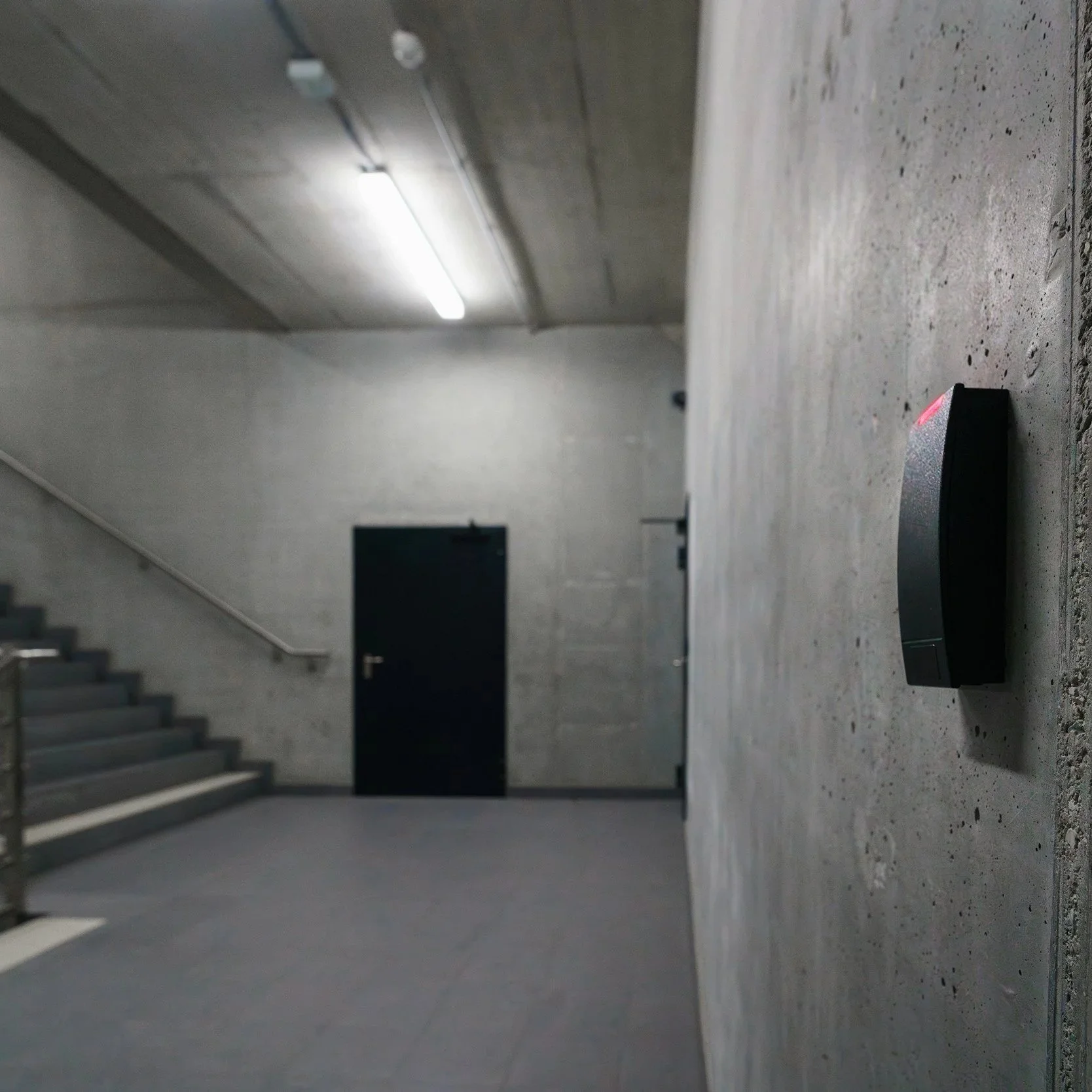
With professional access control services, key card systems can be custom-built for commercial offices, apartment complexes, gated communities, schools, and other locations where secure access is required.
Key Cards: The Sleek Sidekick to Modern Control
Keys have long held the starring role in access control, but let's face it—they're kind of dramatic. They get lost, duplicated, bent out of shape, and then spend the rest of their days at the bottom of a junk drawer. Entry key cards, on the other hand, are low-profile, high-functioning tools that provide a smoother, smarter way to manage building access.
With professional access control services, key card systems can be custom-built for commercial offices, apartment complexes, gated communities, schools, and other locations where secure access is required. Whether it's a simple swipe or a tap-and-go RFID card, the concept stays consistent: authorized entry without the chaos of keys or the complications of remembering a dozen PIN codes.
No More Fumbling With Old-School Locks
Traditional locks require a physical key, which is great until that key disappears into the void between car seats or falls victim to a late-night run through the washing machine. Entry key cards eliminate that daily shuffle. Swipe, tap, or wave—it's that simple.
Key cards are easy to carry, fit comfortably in wallets or on lanyards, and function consistently with electronic readers. They work well for employees carrying boxes, residents with their hands full of groceries, or delivery personnel on a tight schedule. Professional access control installation teams position readers at optimal heights and locations to improve accessibility, reducing traffic bottlenecks and complaints.
More importantly, card access is fast. No digging, no jiggling the handle, no twisting and hoping. And when you're trying to move people smoothly through a facility, that adds up to real-time savings.
Controlled Access Means Controlled Risk
It's all about control—who comes in, when they enter, and where they can go. Entry key card systems make managing that control a breeze. Individual access levels can be assigned to every user. Maybe the marketing team needs access to the second floor, but not the server room. Maybe the cleaning crew only enters after hours. With a key card system, there's no need to rekey locks or distribute different keys for every door.
Access control software enables building managers or control personnel to assign, edit, or revoke card permissions instantly. Lost card? No problem. A quick deactivation in the system renders it useless, without changing a single lock or inconveniencing the rest of the facility.
Professional access control services can also program time-based permissions. Want to allow vendors access on Wednesdays between 9 and noon? Done. Need to lock out everyone except maintenance during renovations? Easy. This level of specificity turns your building into a dynamic, responsive space instead of a fortress of static locks and keys.
Activity Logs Keep Everyone Honest
There's something comforting about having a record. Key card systems automatically log every access attempt, which is perfect for tracking foot traffic, investigating incidents, or simply reviewing who entered which door at what time.
Activity logs can identify patterns and detect unusual behavior. If someone starts scanning their card at odd hours or tries to access unauthorized zones, the system flags it. If there's a control breach, audit trails make it easier to pinpoint how it happened.
Professional access control providers configure these logs to be as detailed or minimal as desired. Some systems even integrate with video surveillance, tying each access attempt to a corresponding video clip. When you're managing a highly controlled facility, that kind of clarity is worth its weight in key fobs.
Scalability Without The Headaches
As organizations grow, so do their access control needs. Entry key card systems scale with ease. Whether you're expanding to a second floor, adding a new building, or incorporating off-site facilities, the system grows with you—without needing to reinvent the wheel.
Professionals design these systems with modularity in mind. One central database can manage multiple doors, buildings, or locations. That means an employee working across three sites only needs one card and one profile. Access permissions can be adjusted based on job role, schedule, or location.
Unlike mechanical keys that require locks to be changed or rekeyed for expansion, key card systems accommodate more users and doors without creating chaos. No metal-cutting. No locksmith headaches. Just a few database entries and a professionally configured reader.
Minimal Wear
Traditional locks and keys are often abused—scratches, broken keys, bent pins, jammed cylinders. Over time, those mechanical failures create costly repair cycles. Entry key card systems reduce physical contact and wear. No turning, pushing, or forcing—just a gentle scan of a card across a reader.
Electronic readers are built for longevity and rated for thousands of scans. Most operate without moving parts, making them more reliable and longer-lasting than metal locks. Professional installation guarantees proper mounting and protection from the elements, especially for outdoor or high-use readers.
And let's not forget vandalism prevention. Unlike keys, which can be copied at hardware stores or used to force entry, cards don't leave scratch patterns or get stuck in locks. If a reader is ever tampered with, alerts can be triggered, and backup systems can keep the area secure.
Lost Cards Aren't a Catastrophe
Losing a key can be a nightmare. Unless someone confesses quickly, the whole building might need to be rekeyed. Entry key cards flip that script. One missing card? Deactivate it. Problem solved.
Access control providers can even issue temporary cards to visitors or contractors with built-in expiration dates. No more wondering whether a vendor still has access months later. The card becomes a flexible pass tied to a person and purpose, not a permanent backdoor.
Some facilities also pair key cards with photo ID badges, so unauthorized users can't simply "borrow" a card without being noticed. Professional services often include badge printing and design as part of the setup process.
Easy Integration With Other Control Tools
Entry key card systems don't exist in isolation. They play well with other control features, such as video surveillance, intercom systems, elevator controls, and even parking access. When integrated properly by professionals, a single card can unlock doors, call elevators to specific floors, open gates, and activate lighting.
Access control software can notify personnel if certain thresholds are exceeded—like multiple denied entries or an emergency door being forced open. Integrated systems provide a higher level of situational awareness and faster response times in emergencies.
Professional access control technicians coordinate these systems to work in harmony, preventing conflicts or blind spots. They also help maintain compliance with safety codes and industry regulations, especially in healthcare, finance, or education sectors.
Contactless and Hygienic
Touchless technology matters more than ever. Key cards, especially RFID models, operate without physical contact. That makes them a hygienic solution for shared spaces, reducing the transmission of germs on high-touch surfaces like doorknobs and keypads.
In a post-pandemic world, minimizing touchpoints has become a priority in access control planning. Businesses, schools, and multifamily properties are all upgrading to touchless entry to improve tenant comfort and meet modern expectations.
Professionals offering access control services can retrofit existing doors with RFID readers or smart card systems without rebuilding the entire entry point. The result is a cleaner, smarter way to manage daily interactions.
Affordable Long-Term Value
Upfront, installing a key card system may feel like an investment—and it is—but one that pays dividends in reduced labor, fewer lock changes, and less day-to-day drama. Consider the cost of rekeying after every employee departure or dealing with misplaced mechanical keys. Multiply that by a few dozen doors, and suddenly the cost of entry cards looks very reasonable.
Access control professionals also design systems with durability and easy maintenance in mind. Firmware updates, cloud-based monitoring, and remote troubleshooting allow for fast support and long-term reliability. No need to call a locksmith every time the lobby reader acts up.
With detailed reporting and adjustable permissions, managing a facility's soundness becomes less of a headache and more of a strategy. And the peace of mind that comes from knowing exactly who accessed what, when, and how? That's the real value.
A System That Works With You, Not Against You
Good access control should feel seamless. Entry key cards offer a balance between ease of use and robust security that few other methods match. Whether you're managing a corporate headquarters or a mid-rise apartment complex, card-based access gives you tools to protect the space without complicating life for the people using it.
Professional installation makes all the difference. From custom access schedules to backup power planning and system monitoring, access control experts know how to build systems that just work—day in and day out, swipe after swipe. And when questions or updates arise, you won't be stuck guessing or Googling. You'll have a partner who knows your system and keeps it running right.
The keycard might look simple. But in the right hands, it unlocks a whole new level of smart, secure access.
InteleGates Inc. offer a range of access control services, including access control system, gate automation, intercom system service, and entry key cards. We have over 25 years of experience providing honest services and free estimates on installs. We work with all major brands. We aim to provide quality services and outstanding customer satisfaction. Call now!
