
The Role of Access Control Systems in Commercial vs. Residential Properties
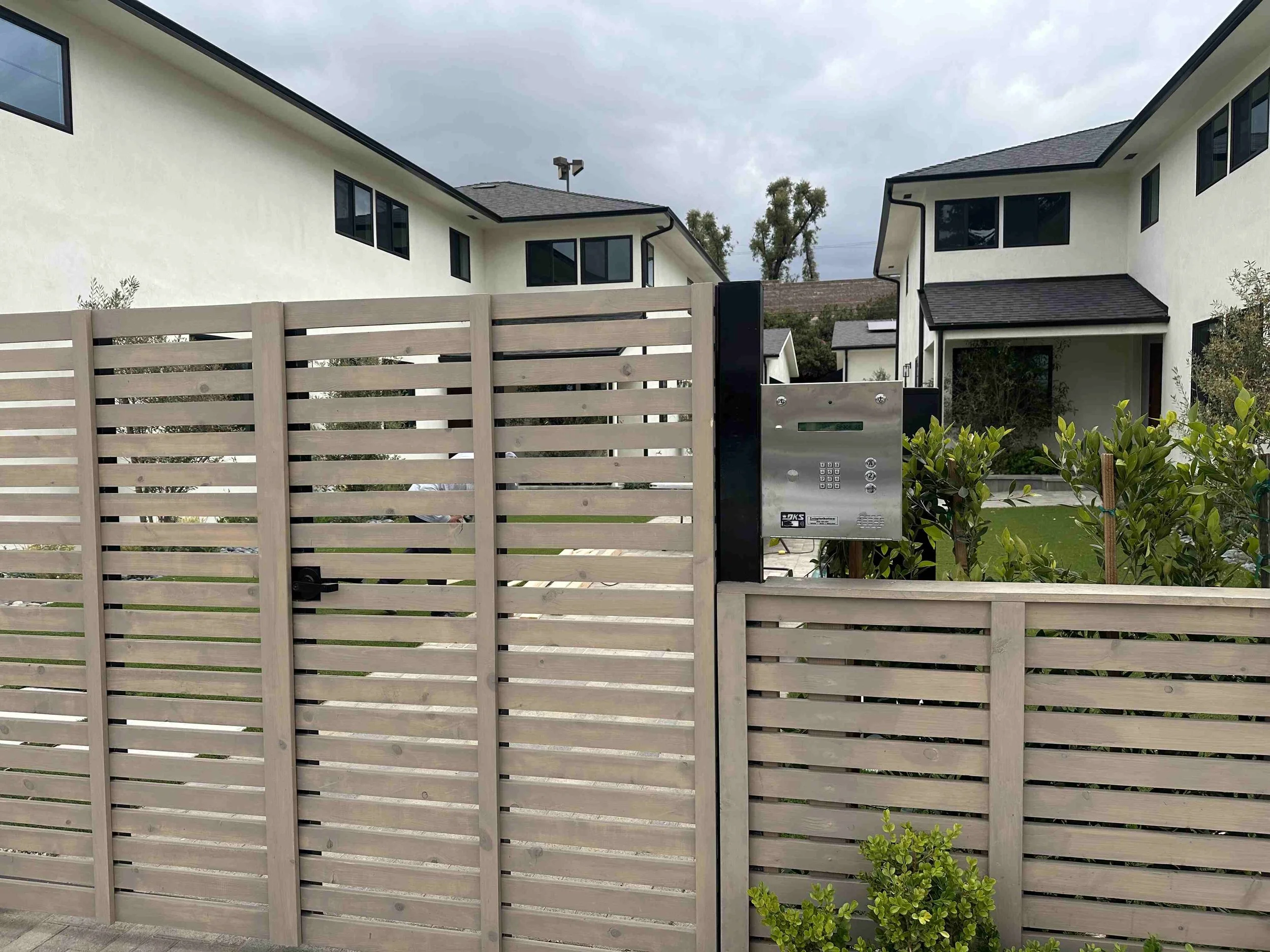
Whether it’s a buzzing corporate headquarters or a quiet suburban townhome complex, access control systems bring structure, safety, and sanity to modern properties.
Different Spaces, Different Control Stories
Access control isn’t just about keeping the bad guys out. It’s about managing who comes in, when they arrive, and how they move through a space. Whether it’s a buzzing corporate headquarters or a quiet suburban townhome complex, access control systems bring structure, safety, and sanity to modern properties. The systems may look similar from the outside, but the way they’re deployed in commercial vs. residential settings tells two very different stories.
Each environment presents its own cast of characters—employees, tenants, vendors, guests, delivery drivers—and the script for access control has to be customized accordingly. Commercial properties prioritize efficiency, compliance, and data tracking. Residential properties lean into privacy, peace of mind, and ease of use. The good news? Access control services can customize every detail to match the pace and personality of a property.
Commercial Spaces: High Volume, High Stakes
Commercial properties tend to be busy, layered environments. Think multi-story office buildings, warehouses, retail plazas, hospitals, data centers—you name it. These spaces host employees, contractors, cleaning crews, IT vendors, and sometimes wandering visitors who “accidentally” walk past the front desk.
A professionally designed access control system for commercial properties usually involves key card readers, badge authentication, time-restricted access, and real-time monitoring. It’s not uncommon for one building to manage thousands of users with different levels of access to specific floors, doors, or departments.
System administrators need the ability to update permissions on the fly, track entry logs for compliance, and respond quickly if a control breach occurs. Some buildings also link their access control with visitor management software, surveillance cameras, and even biometric authentication for ultra-sensitive zones.
When managed by professionals, access control becomes a living system that responds to staffing changes, emergency protocols, and day-to-day operations. Whether a new intern needs temporary access or the IT team wants to schedule lockdown tests, professionals keep the gears turning without disruptions.
Residential Properties: Comfort Meets Control
In a residential setting, access control is all about lifestyle. Tenants want to feel secure without jumping through hoops just to move into their own homes. Guests should be able to visit without creating chaos. Deliveries need to be smooth and contactless.
Professionally installed access control for residential properties includes key fobs, mobile app entry, telephone intercoms, keypad codes, and sometimes video verification. In multifamily complexes, access control often extends to mailrooms, garages, fitness centers, pools, and even trash enclosures.
Residents appreciate systems that are easy to use and low maintenance. Lost fob? A property manager can deactivate it remotely. Expecting company? Buzz them in from your phone while you’re still brushing your teeth. Smart access control systems support modern convenience while adding a layer of community-wide safety.
From townhomes to high-rise condos, access control services customize systems to suit each property’s needs—and every resident’s comfort level.
Customization Is Key for Both Worlds
No two buildings are exactly the same, which means cookie-cutter access control isn’t going to cut it. Commercial spaces often require tiered access by department, shift timing, or role-based permissions. Residential properties may need a way to separate tenant access from guest entry or restrict amenity use after hours.
Professionals design access control layouts that consider architectural flow, population density, and peak usage times. In a large commercial building, certain zones may need badge-in, badge-out tracking for attendance verification. In a residential setting, package rooms might use QR-code scanning so tenants can collect deliveries securely.
Even the door hardware can vary. A glass office door needs a different locking mechanism than a residential hallway door or a rolling garage gate. Access control professionals handle those logistics—choosing the right hardware, software, and credentials to match both aesthetic and practical demands.
Emergency Response Considerations
When things go sideways, access control systems are part of the response equation. In commercial buildings, they help lock down specific areas, notify personnel, and track movements in real time. In medical or laboratory facilities, they can limit entry to rooms with sensitive materials or equipment.
In residential properties, access control supports emergency services by providing remote unlock capabilities or enabling first responders to bypass locked entry points during an incident. Some systems are also integrated with fire panels, disabling magnetic locks automatically when alarms are triggered.
Professionals who handle access control services coordinate closely with teams, property managers, and local code requirements to build systems that support emergency protocols. They test scenarios, create override procedures, and install fail-safes that don’t rely on someone remembering a master key.
Visitor Management: Two Very Different Experiences
Visitors in commercial spaces usually fall into one of three categories: expected, unexpected, or lost. Access control systems help manage them through temporary badges, QR codes, or scheduled access links sent ahead of time. For companies hosting frequent client meetings or service vendors, efficient visitor access is a top priority.
In residential settings, visitor access usually means buzzing in guests, granting one-time access codes, or unlocking the door remotely via smartphone. Some systems also allow residents to issue virtual guest passes for pet sitters, cleaners, or visiting relatives.
The key difference is predictability. Commercial access control tends to operate in predictable patterns during business hours. Residential systems must function 24/7 with minimal friction, since tenants come and go at all hours, and Aunt Carol never remembers which button to press on the call box.
Maintenance and Monitoring Needs
Commercial systems are more complex, which means their maintenance plans are too. Firmware updates, system audits, user database management, and hardware inspections are part of the regular routine. These systems often have IT departments or facility managers involved, along with contracted professionals who specialize in high-volume support.
Residential systems, while simpler, still need regular attention. Battery changes, system updates, and replacement of worn fobs or damaged keypads are handled by property managers or contracted service providers. Cloud-based access control platforms make remote diagnostics easier for both environments, allowing professionals to troubleshoot problems without rolling a truck every time someone forgets their code.
Scheduled maintenance from a professional provider prevents surprises—like an entire access panel freezing just before a morning meeting or a keypad refusing to recognize entry codes during a weekend move-in.
Aesthetic and User Experience
People interact with access control systems daily, so the design should feel intuitive and non-intrusive. In commercial buildings, readers often blend into the architecture—mounted at ADA-compliant heights with discreet LED indicators. Some systems use touchscreen kiosks or sleek badge scanners near elevators or turnstiles.
In residential properties, the user interface matters even more. Tenants appreciate attractive intercom panels, responsive mobile apps, and fobs that don’t look like 90s-era garage openers. Video-enabled systems give residents peace of mind when screening visitors or confirming food deliveries.
Professionals balance functionality with form. They know where to position readers for easy reach, how to avoid cable clutter, and what systems provide the smoothest user experience. Whether you’re dressed in a suit heading to a board meeting or walking the dog in sweatpants, access control should always feel seamless.
System Scalability for Growth
A commercial building might expand to accommodate more departments. A residential community might add another wing or parking garage. A well-designed access control system makes room for those changes without turning the upgrade into a nightmare.
Professionals plan for growth from day one. They select platforms that support additional users, new entry points, and third-party integrations like intercoms, surveillance, and lighting. That foresight avoids messy replacements later and keeps the system flexible as property needs evolve.
Whether it’s onboarding 100 new employees or adding a bike room for residents, access control should never feel like a barrier. It should scale with grace and intelligence—and that’s where experienced professionals shine.
Peace of Mind From a System That Just Works
At the end of the day, everyone wants the same thing: to feel secure without feeling inconvenienced. Commercial tenants want to know their intellectual property is protected. Residential tenants want to know their kids, cars, and groceries are safe.
Access control services deliver that peace of mind by building systems that blend into everyday life. They work quietly behind the scenes, keeping doors locked to the wrong people and open for the right ones. From large corporations with high control needs to apartment buildings full of weekend brunch plans, access control brings order and clarity to entry and exit.
One swipe. One tap. One less thing to worry about. That’s the power of doing it professionally—and doing it right.
InteleGates Inc. offer a range of access control services, including access control system, gate automation, intercom system service, and entry key cards. We have over 25 years of experience providing honest services and free estimates on installs. We work with all major brands. We aim to provide quality services and outstanding customer satisfaction. Call now!
